Cashmere is often defined by its softness, warmth and lightness. Yet the character of a cashmere piece is shaped by more than the quality of the fibre alone. The way the yarn is knitted also influences how the garment looks, feels and moves.
A smooth, lightweight knit may sit close to the body and layer almost effortlessly. A cable knit feels more substantial, with a sculptural surface that brings depth to even the simplest silhouette. Textured stitches introduce quiet detail, while Fair Isle patterns give cashmere a more expressive, heritage-inspired character.
Understanding these differences makes it easier to choose cashmere not only by colour or style, but also by the experience you want from the garment.
At a Glance
Each knit structure brings out a different quality in cashmere:
- Lightweight knits feel smooth, breathable and easy to layer.
- Cable knits offer greater depth, warmth and dimension.
- Textured knits add subtle detail while maintaining a refined appearance.
- Fair Isle knits introduce pattern, colour and a sense of heritage.
The Clean Simplicity of Lightweight Knits
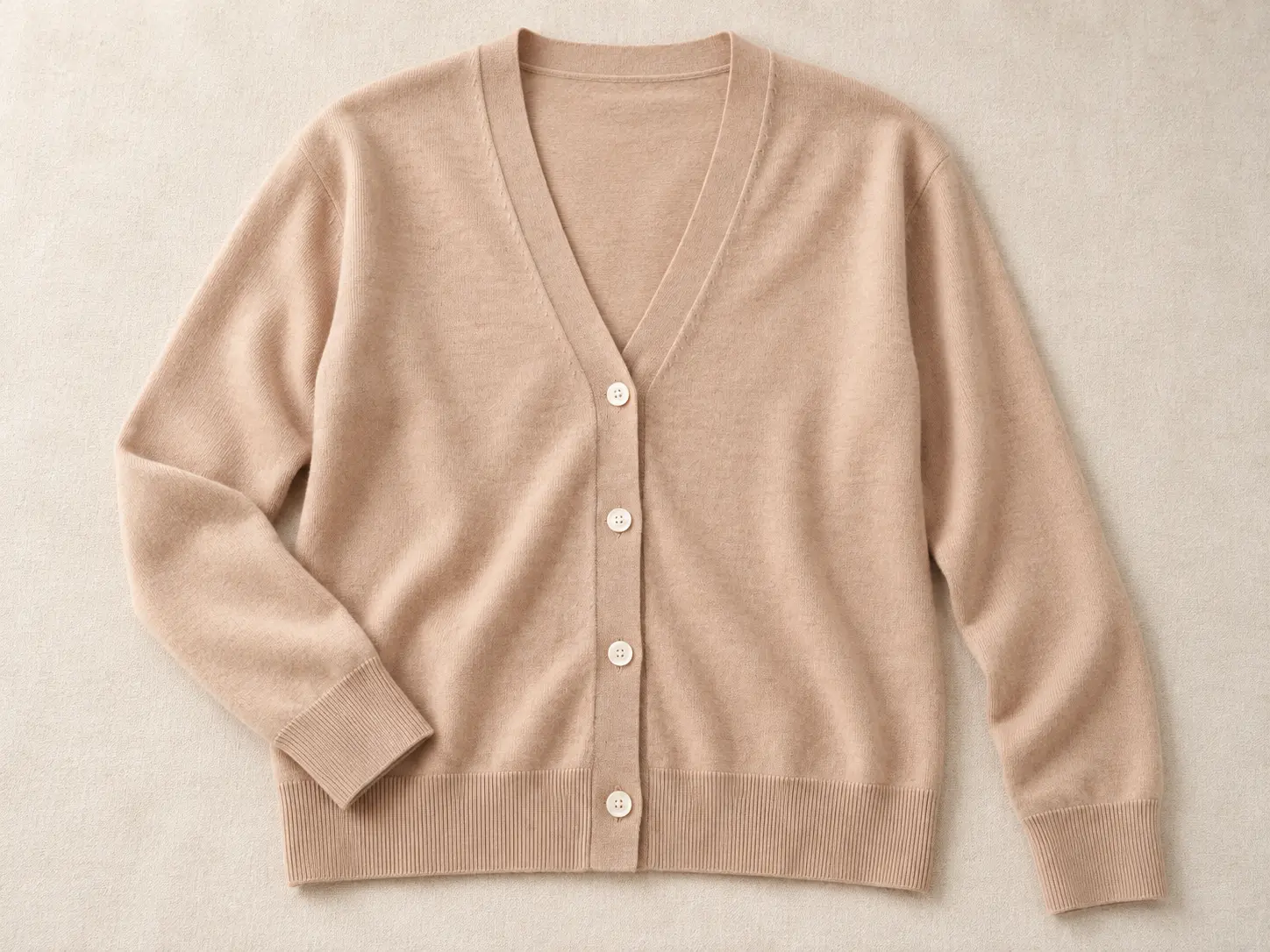
Lightweight cashmere is often made using a fine-gauge knit with a smooth, even surface. Compared with heavier constructions, it uses finer yarns and a closer stitch structure to create a garment that feels soft, breathable and comfortable against the skin.
Its appeal lies in its simplicity. The clean surface allows the natural quality of the cashmere to take centre stage, while the lighter weight makes it suitable for transitional weather, air-conditioned interiors and everyday layering.
A lightweight cashmere T-shirt or fine-knit cardigan can be worn on its own when the weather is mild, then layered beneath a jacket or coat as temperatures begin to fall. Because the fabric adds warmth without unnecessary bulk, it brings comfort while keeping the overall silhouette refined.
This structure is especially well suited to minimal designs. With fewer decorative elements, details such as the neckline, sleeve length and drape become more noticeable. The result is understated and versatile—cashmere in its quietest form.
Cable Knit: Depth, Warmth and Lasting Character
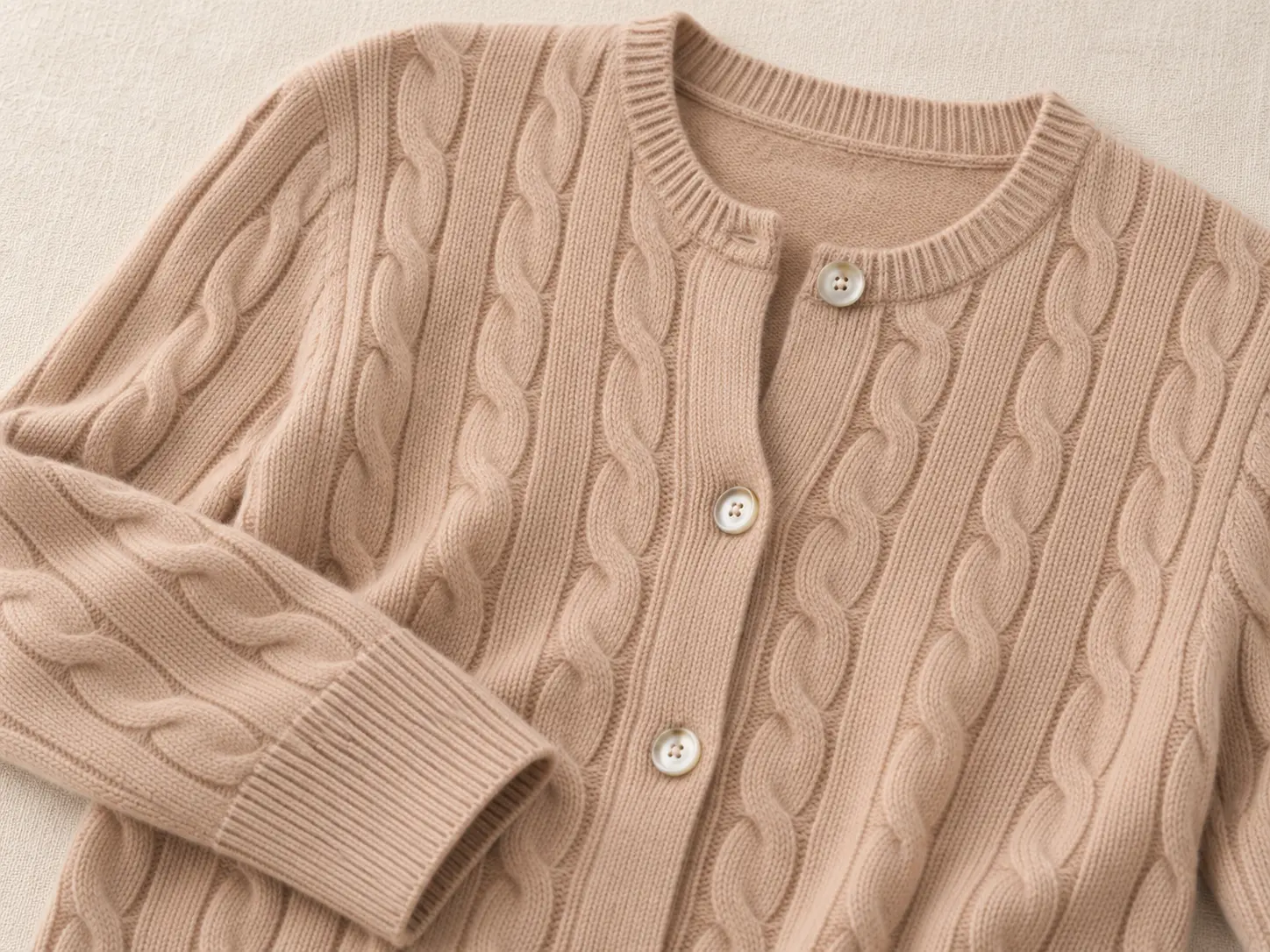
Cable knitting is recognised by its raised, interlacing patterns. Originally associated with traditional knitwear, the technique remains relevant because of the dimension and character it brings to a garment.
The crossing stitches create a more substantial surface than a smooth knit. This gives cable-knit cashmere a fuller hand feel and a sense of structure, while the natural softness of the fibre keeps it comfortable rather than rigid.
Visually, cable patterns interact beautifully with light and shadow. Even in a single neutral colour, the surface feels rich and considered. Ivory highlights the definition of every stitch, while camel, grey, burgundy and navy create a deeper, more grounded effect.
A cable-knit cardigan or zip jacket can serve as an outer layer in early autumn and sit comfortably beneath a coat later in the season. Paired with tailored trousers, it feels polished; worn with denim or corduroy, it takes on a more relaxed character.
This balance between heritage and modern ease gives cable knit its enduring appeal.
Textured Knit: Subtle Detail Without Excess
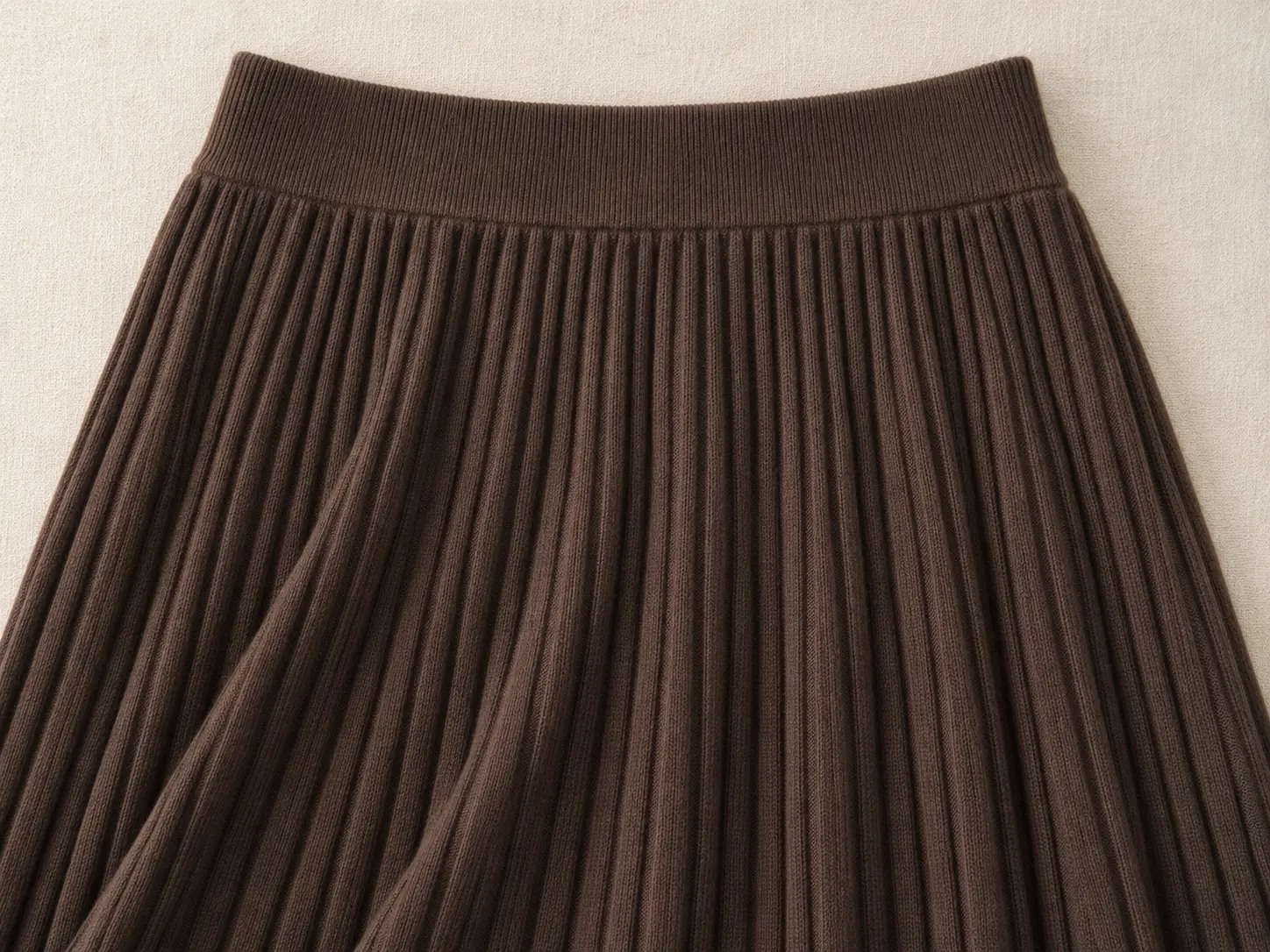
Not every textured knit relies on large or highly defined patterns. Smaller stitch variations can create a more restrained surface, adding interest without making the garment feel overly decorative.
Ribbing, seed stitches, basket-inspired patterns and other dimensional techniques subtly change the way cashmere reflects light. From a distance, the garment may appear simple. Up close, its construction becomes more apparent.
Texture can also influence how a piece holds its shape. A structured stitch may give a cardigan or jacket greater definition, while softer patterns allow the fabric to remain fluid and relaxed.
These differences affect both the appearance of the garment and the way it feels when worn. A denser texture may feel more substantial, while a finer pattern can provide dimension without adding noticeable weight.
For those drawn to quiet luxury, textured cashmere offers a thoughtful middle ground. It has more visual depth than a smooth knit, yet remains versatile enough for everyday dressing. The detail is present, but never overwhelming.
Fair Isle: Pattern, Colour and Heritage
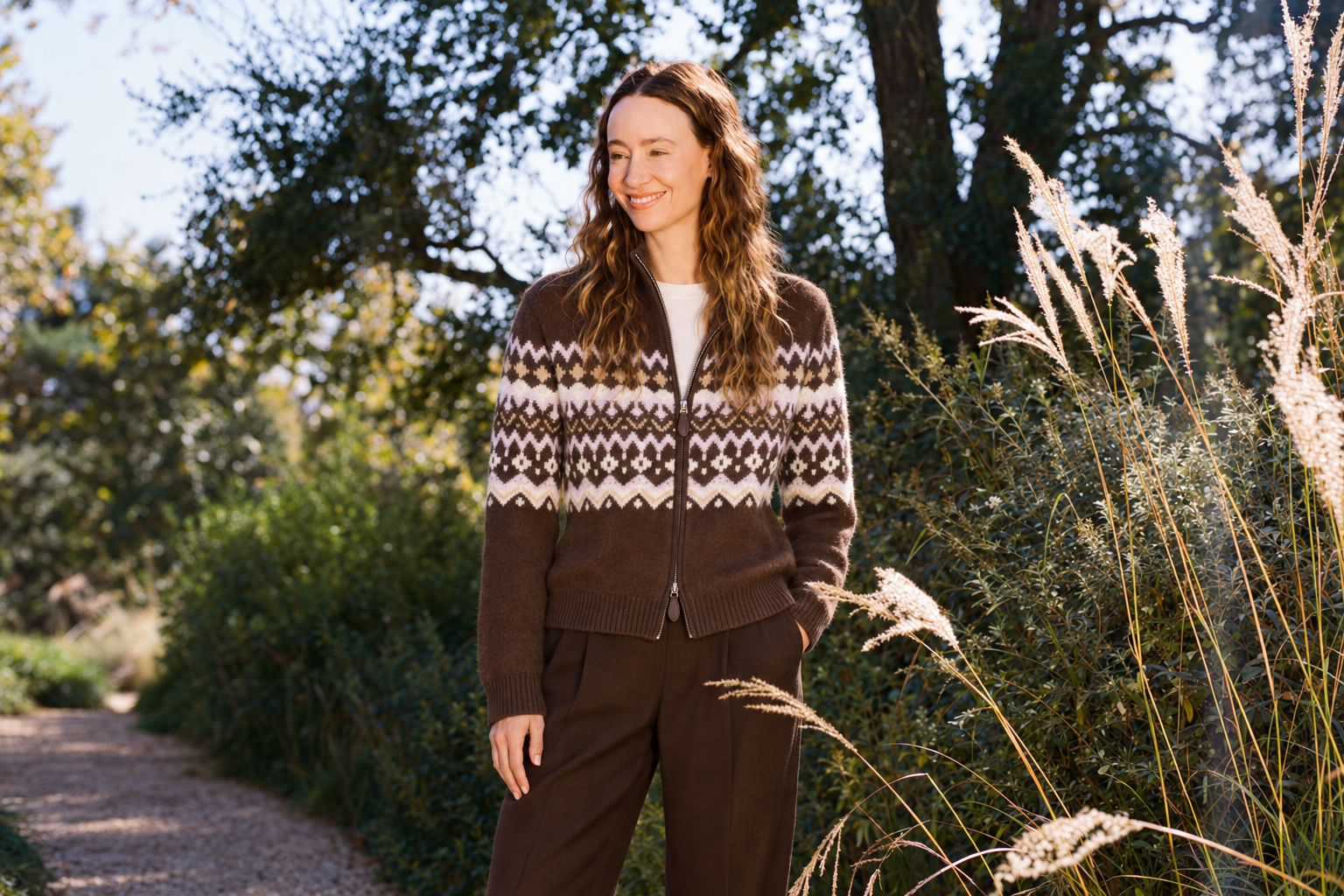
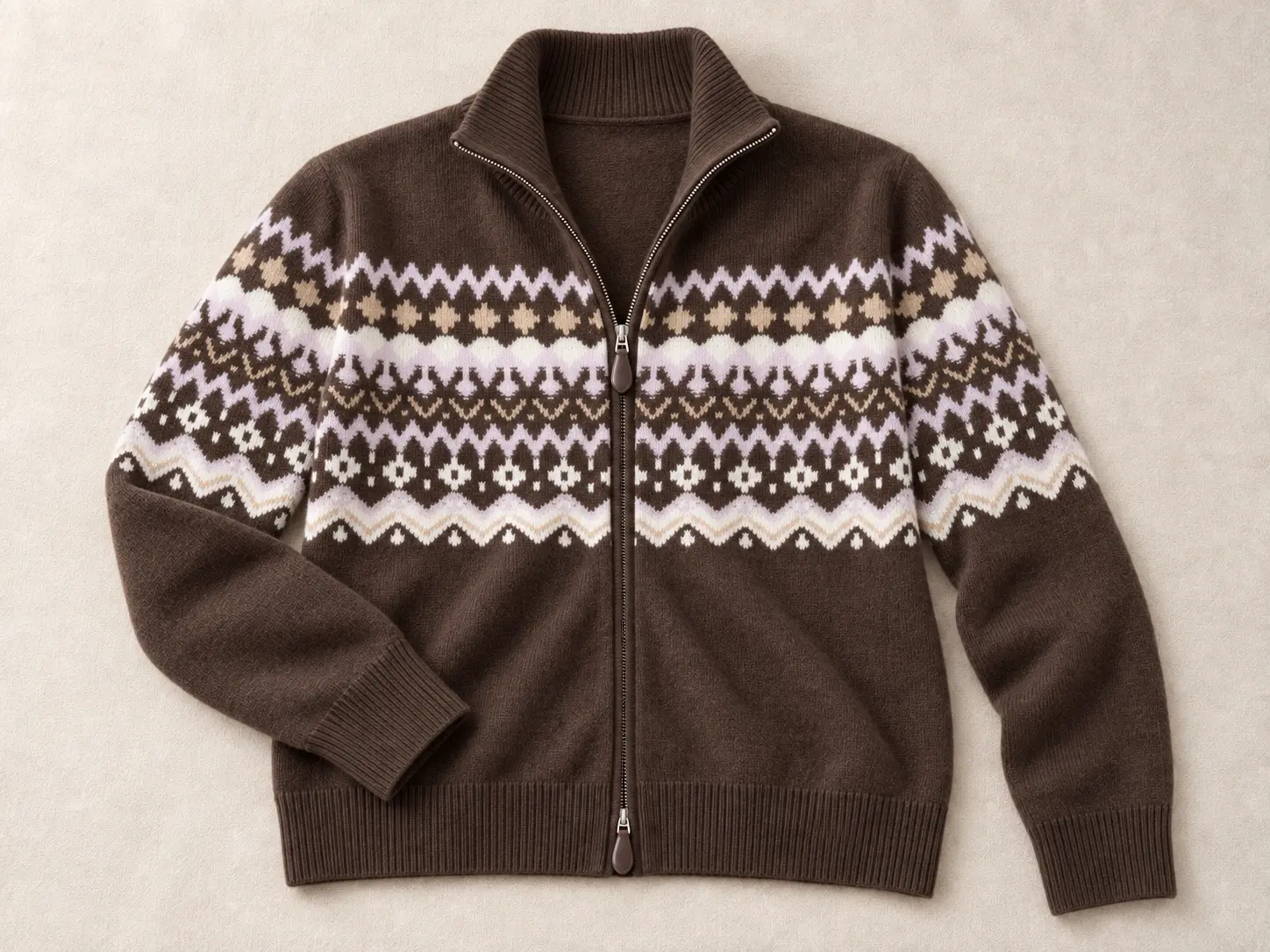
Fair Isle is distinguished by repeating colourwork patterns created by knitting with multiple shades. Although it is best known for its visual design, the technique can also give the fabric a slightly fuller and more insulating feel because additional strands of yarn are carried across the reverse side.
In cashmere, Fair Isle takes on a softer and more refined expression. Traditional motifs feel less rustic when interpreted in balanced colours and clean silhouettes.
Neutral combinations create a subtle, tonal effect, while deeper contrasts in navy, burgundy, grey or cream bring greater definition. The choice of colour can make the same pattern feel either quietly understated or more expressive.
Because the design already provides visual interest, Fair Isle cashmere works best with simple styling. A patterned zip cardigan can be worn over a plain T-shirt or fine-knit sweater, allowing the colourwork to remain the focus. Straight trousers, dark denim and understated accessories keep the overall look considered.
It is a knit that carries a sense of tradition, but thoughtful colour choices and modern proportions allow it to feel entirely current.
Choosing the Right Knit
The right cashmere knit depends on the season, the setting and how you prefer a garment to feel.
- For lightweight layering: Choose a smooth, fine-gauge knit. It sits comfortably beneath jackets and coats while adding warmth without unnecessary bulk.
- For greater warmth and dimension: Cable knit offers a fuller hand feel and a more structured surface, making it ideal for cooler days.
- For understated visual interest: Textured stitches add quiet depth without making the garment feel overly decorative.
- For pattern and seasonal character: Fair Isle introduces colour and heritage-inspired detail while remaining refined when styled with simple pieces.
There is no single structure that defines the best cashmere. Each one reveals a different quality of the fibre—its softness, lightness, warmth, drape or ability to hold dimension.
A Different Expression of the Same Fibre
Cashmere can feel clean and weightless, warm and sculptural, quietly textured or rich in pattern. The fibre remains the same, but the knitting technique changes how it is experienced.
This is what makes knitwear so considered. Behind every surface is a series of choices: the fineness of the yarn, the density of the stitches, the scale of the pattern and the balance between softness and structure.
When these elements come together, texture becomes more than decoration. It gives a garment its character, shapes the way it is worn and offers a more personal way to experience cashmere.


