SILK
Caring for silk products and prolonging their shelf life is important. It saves money, reduces waste, ensures availability, provides convenience, and maintains their luxurious feel. Proper care preserves the durability, breathability, and timeless elegance of silk, allowing us to enjoy its comfort and beauty while promoting sustainability.
01 CHECK THE CARE LABEL
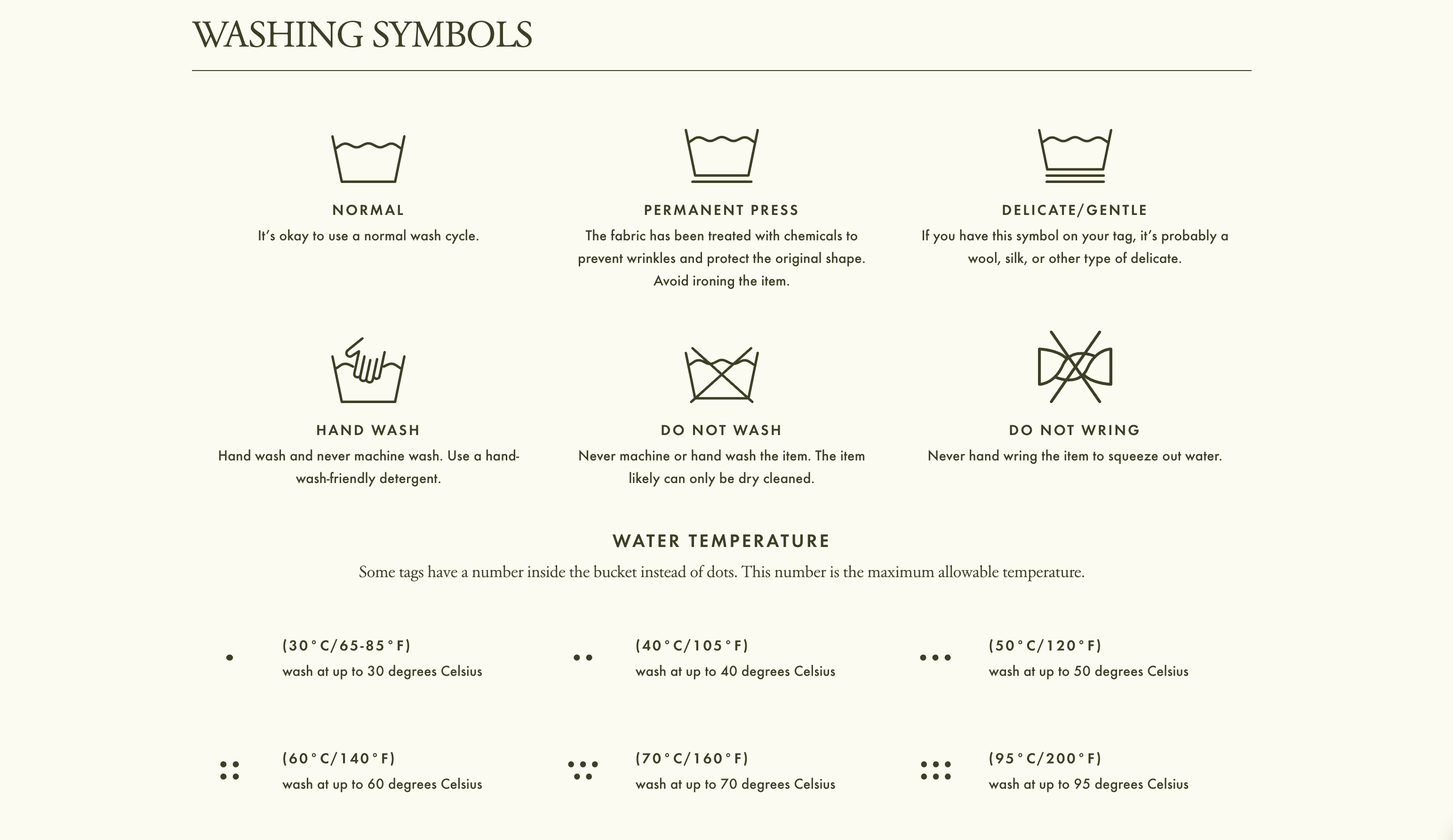
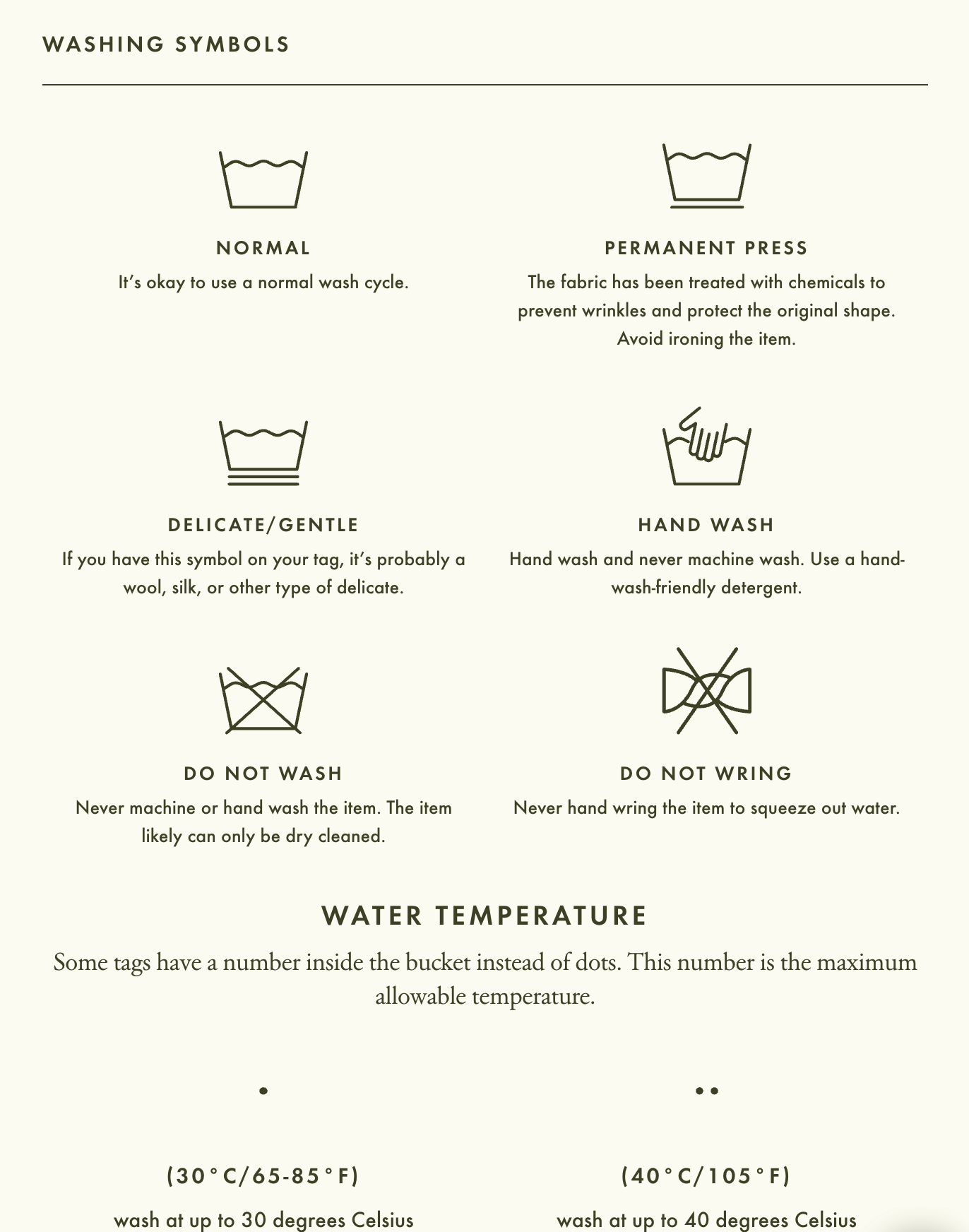
Check the care label on your silk garment to see if there are any specific washing instructions or recommendations. Some silk items may require dry cleaning only.
02 HANDWASH IN COLD WATER
If your silk item can be hand washed, fill a clean sink or basin with cold water and add a small amount of Silk Wash or mild detergent. Gently swirl the garment around in the water for a few minutes, making sure not to rub or scrub too hard.
03 RINSE THOROUGHLY
Drain the soapy water and refill the sink with clean, cold water. Swirl the silk item in the water to remove any soap residue.
04 PRESS OUT EXCESS WATER
Avoid wringing or twisting the silk item, as this can damage the fibers. Instead, gently press out any excess water by rolling the garment in a clean towel or pressing it between your hands.
05 IRON ON LOW HEAT
Silk can wrinkle easily, so if necessary, iron the silk item on a low heat setting while still slightly damp. Avoid using high heat or steam, as this can damage the fibers.
06 DRY FLAT
Lay the silk item flat on a clean towel or drying rack and reshape it to its original size and shape. Avoid hanging silk items to dry, as this can cause stretching or distortion.
07 STORE PROPERLY
Store your silk item folded and flat in a drawer or on a shelf. Avoid hanging it on a hanger for an extended period, as this can cause stretching or distortion.
During the cleaning process, it is normal for dark-colored silk to experience some color loss, so please don't be concerned. To prevent color transfer, make sure to wash it separately from other garments.
01 READ THE CARE LABEL
Check the care instructions on the garment's label to determine if it can be machine washed. If the label explicitly states "dry clean only," it's best to follow that recommendation.
02 PRE-TREAT STAINS
If there are any visible stains on the silk garment, pre-treat them before washing. Gently dab the stained area with Silk Wash or mild liquid detergent specifically designed for silk fabrics.
03 SELECT A GENTLE CYCLE
Use a mild detergent: Choose a mild detergent specifically formulated for delicate fabrics or silk. Avoid using bleach or harsh detergents, as they can cause discoloration or damage to the fabric. You can also use a specialized silk wash if available.
04 PLACE THE SILK ITEM IN A MESH BAG
To protect the silk fabric from excessive friction and stretching, place it inside a mesh laundry bag or pillowcase. This will help minimize any potential damage caused by the washing machine's drum.
05 WASH ON A SHORT CYCLE
Select a shorter washing cycle to minimize the time the silk garment spends in the machine.
06 RINSE THOROUGHLY
Once the washing cycle is complete, ensure that the silk item is thoroughly rinsed to remove any detergent residue. Leftover detergent can leave a film on silk, affecting its appearance and texture.
07 AIR DRY
After washing, avoid using a dryer, as high heat can shrink or damage silk fabric. Instead, gently squeeze out excess water from the garment and lay it flat on a clean towel. Roll the towel to absorb more moisture, and then reshape the silk item and lay it flat on a drying rack or a clean, dry towel. Allow it to air dry away from direct sunlight and heat sources.
*Remember, machine washing silk still carries risks, so if you're unsure or the item is valuable, professional dry cleaning is recommended.
01 ACT QUICKLY
The sooner you address a stain, the better the chances of successful removal. Treat the stain as soon as you notice it.
02 BLOT THE STAIN
Use a clean, white cloth or paper towel to gently blot the stain. Avoid rubbing or scrubbing, as it can spread the stain and damage the fabric. Blot from the outside of the stain towards the center to prevent it from spreading.
03 TEST A HIDDEN AREA
Before applying any stain removal method, test it on a small, inconspicuous area of the silk fabric to ensure it doesn't cause discoloration or damage. Wait for the tested area to dry completely and check for any adverse effects.
04 USE MILD DETERGENT
For water-based stains, such as food or beverages, mix a small amount of Silk Wash or mild liquid detergent (preferably one specifically designed for delicate fabrics) with cold water. Gently dab the stained area with the solution using a clean cloth or sponge. Avoid excessive soaking.
05 RINSE WITH COLD WATER
After treating the stain, rinse the area with cold water to remove the detergent residue. Again, avoid excessive soaking.
06 TRY VINEGAR OR LEMON JUICE
For tough stains like ink or grease, you can try using a solution of equal parts white vinegar (or lemon juice) and water. Dab the stained area with the solution, then rinse with cold water.
07 SEEK PROFESSIONAL HELP FOR DIFFICULT STAINS
If the stain persists or you're uncertain about treating it yourself, it's best to take the silk garment to a professional dry cleaner. They have experience with delicate fabrics and can provide specialized care.
08 AIR DRY
Once you've treated the stain, let the silk garment air dry naturally. Avoid using a dryer or exposing it to direct heat, as it can cause shrinkage or damage to the fabric.
*Remember, prevention is key when it comes to silk garments. Avoid exposing them to substances that can cause stains, and follow the care instructions provided by the manufacturer.