
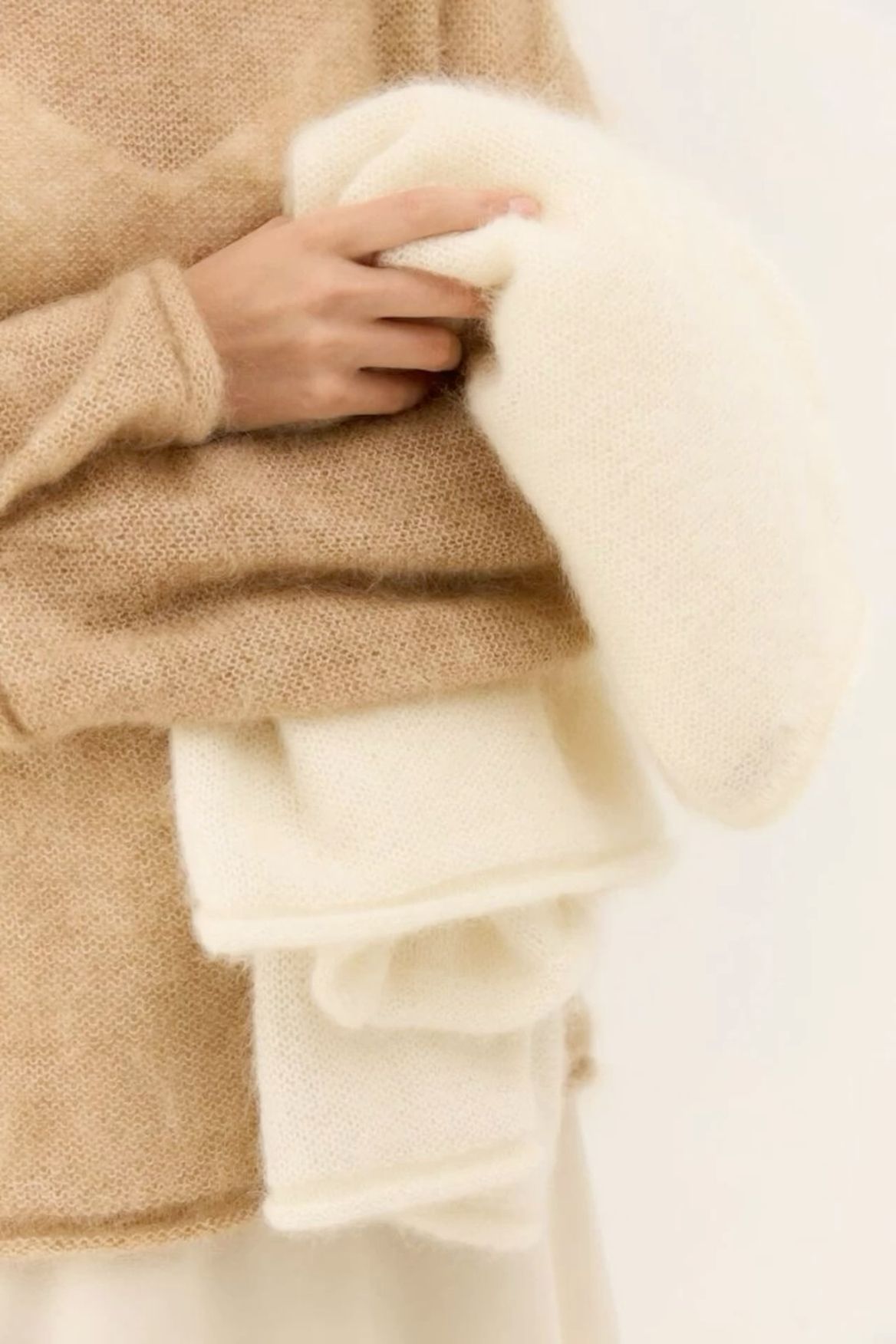
.jpg?w=1080&h=1607)

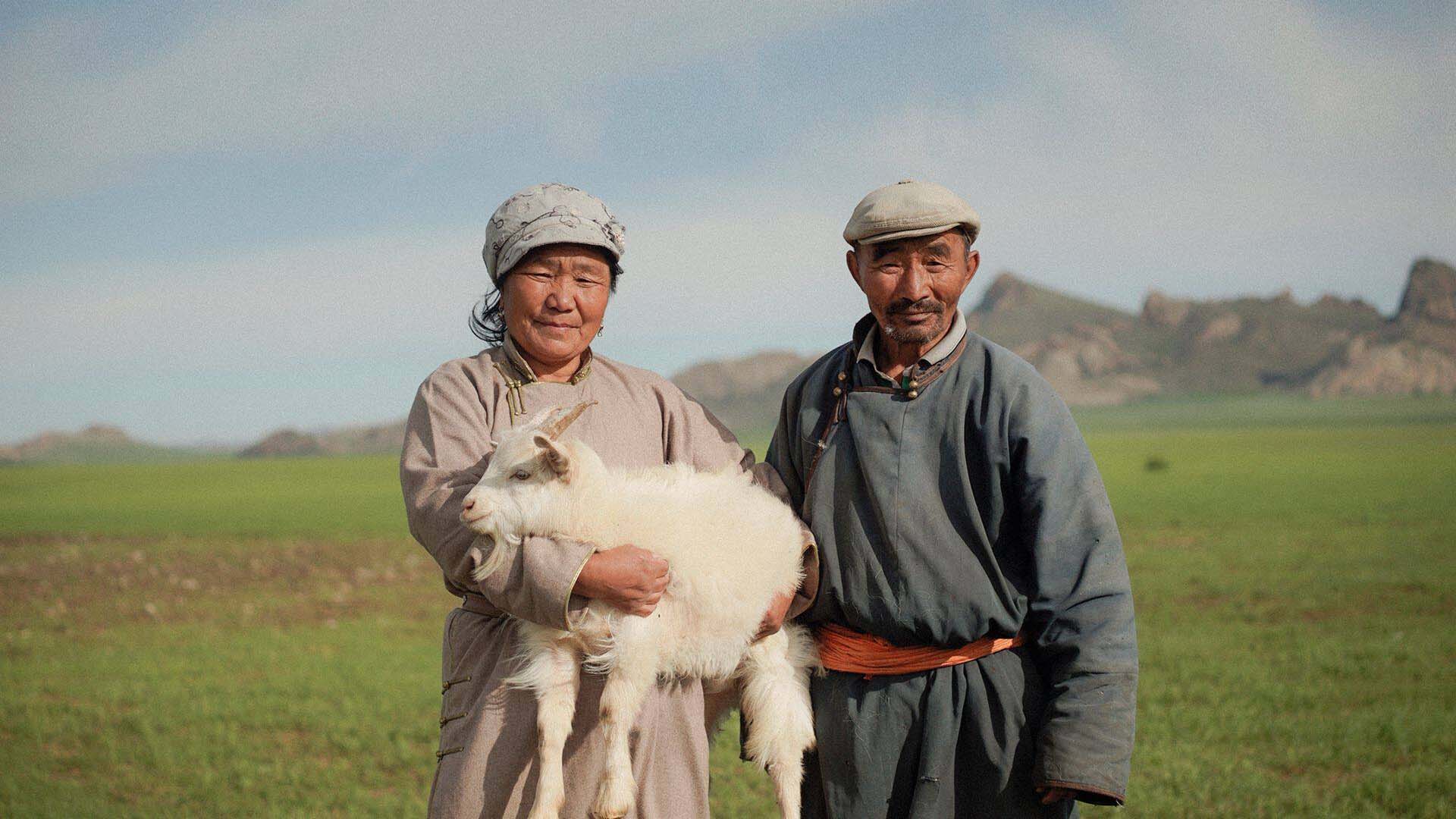
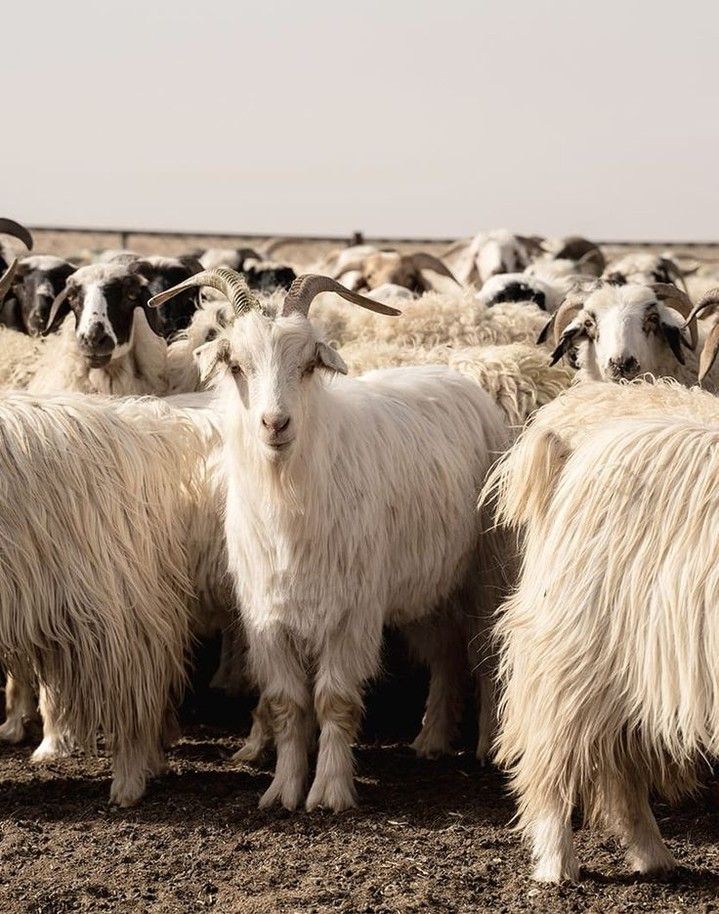
Many people assume that Mongolian cashmere is automatically the best. In reality, some of the finest cashmere in the world comes from China.
Around 70% of the world’s raw cashmere comes from China, while Mongolia contributes roughly 30%.
The most important cashmere-producing regions include:
Among these regions, Inner Mongolia is widely recognized as one of the best sources of ultra-fine cashmere because of its cold climate, desert environment, and carefully bred goats.
Cashmere from Inner Mongolia is often softer and finer, while Mongolian cashmere is known for longer fibers and greater durability.
The best cashmere is not determined only by country of origin, but by:
Premium cashmere fibers are usually over 36 mm in length and finer than 15.5 microns.
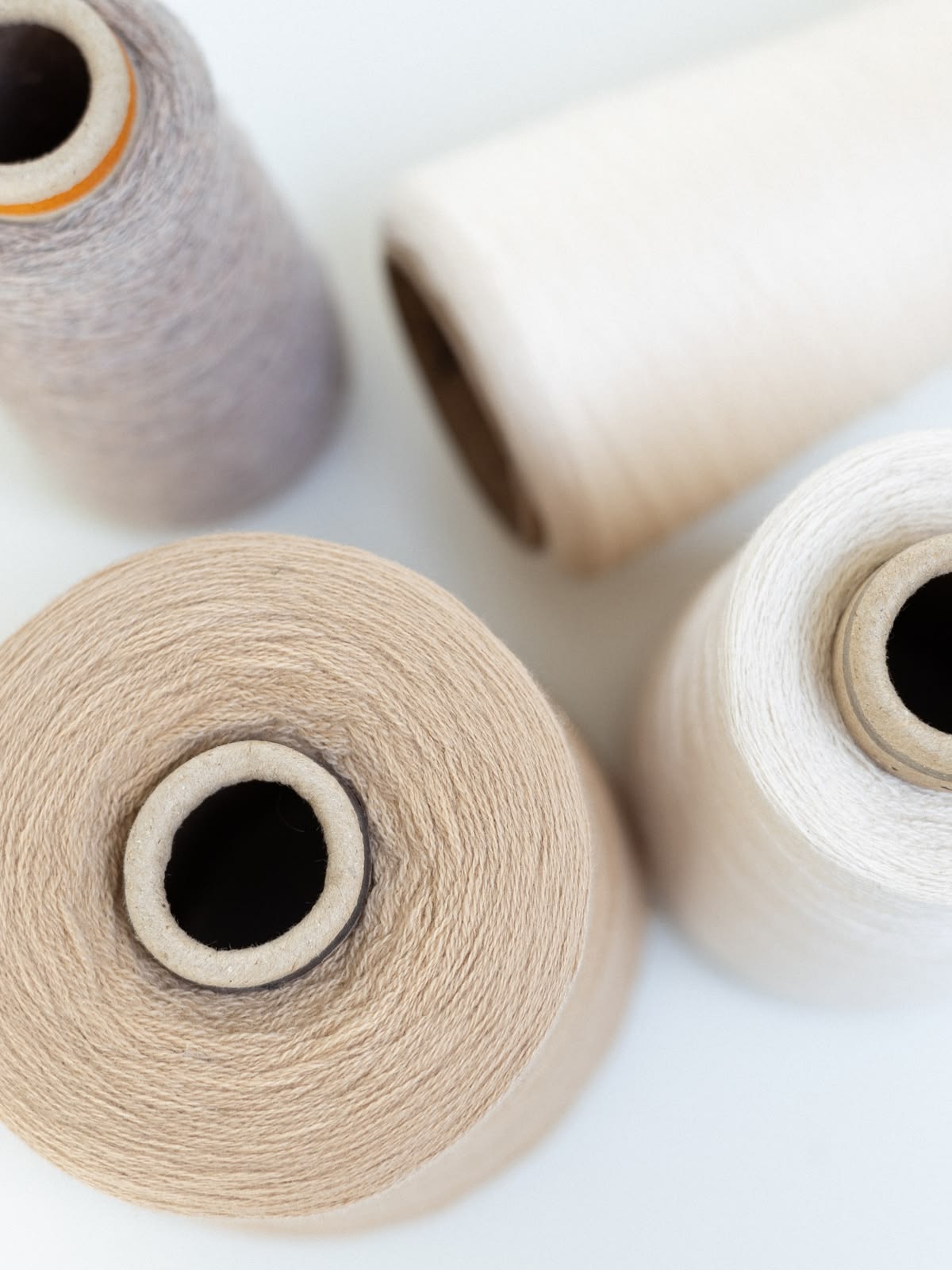
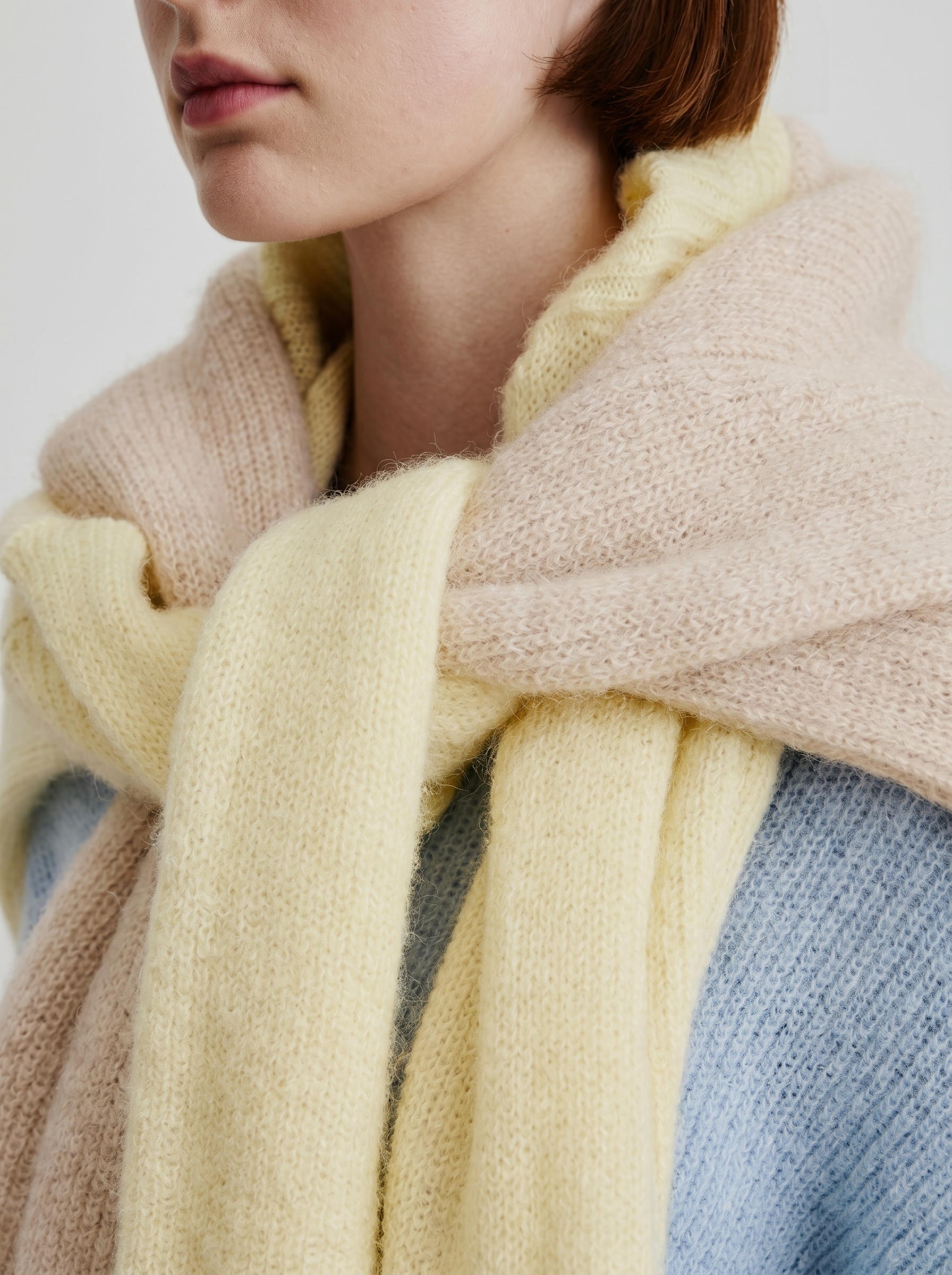
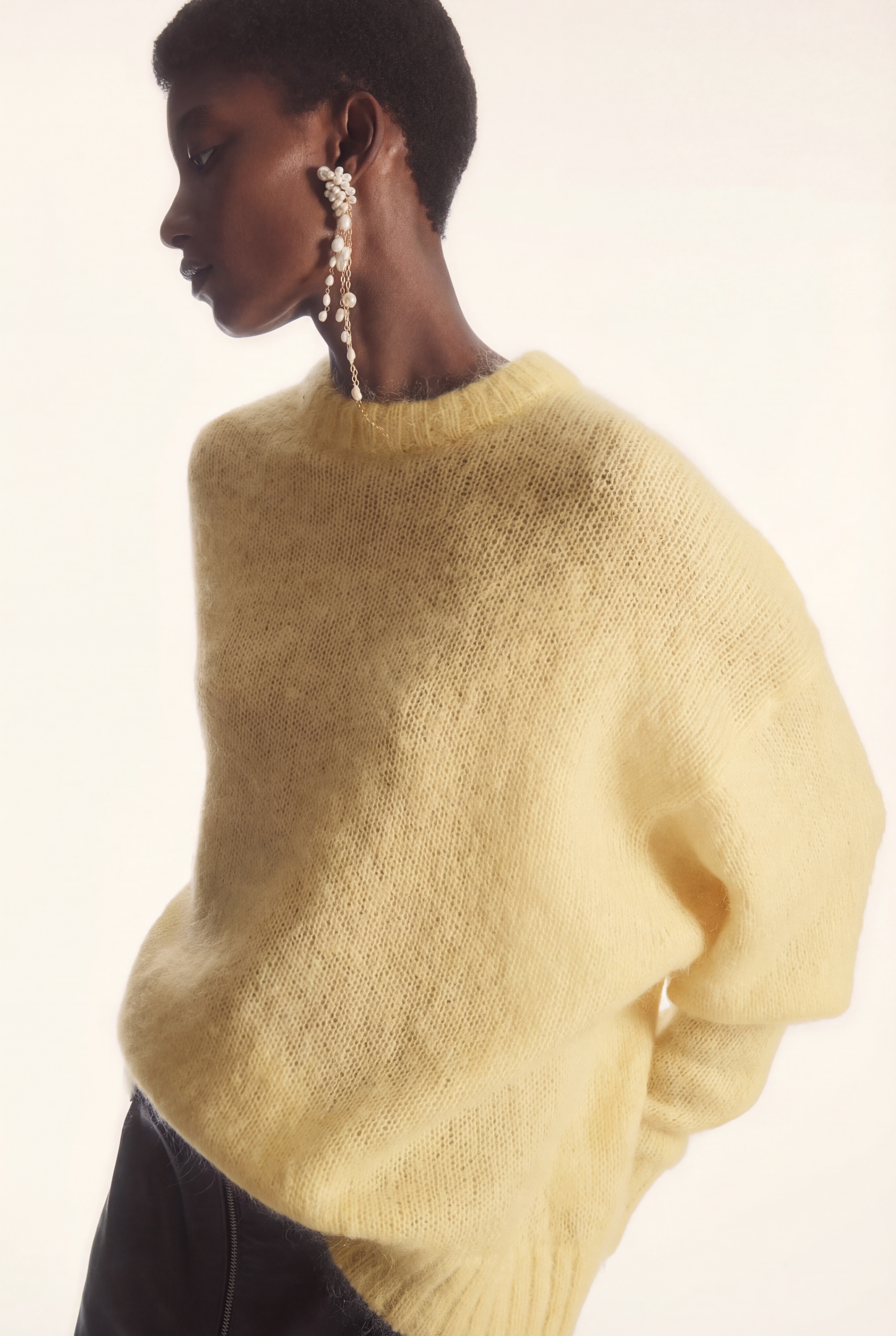
Not all cashmere is created equal.
When choosing cashmere, the most important factors are:
The finer the fiber, the softer the cashmere.
Longer fibers are stronger, pill less, and last longer.
Some pilling is normal for new cashmere because loose fibers naturally rise to the surface. However, high-quality cashmere pills less over time because it uses longer, stronger fibers.
Good cashmere should feel lightweight but still warm. One of the most special qualities of cashmere is that it can provide excellent insulation without feeling heavy.
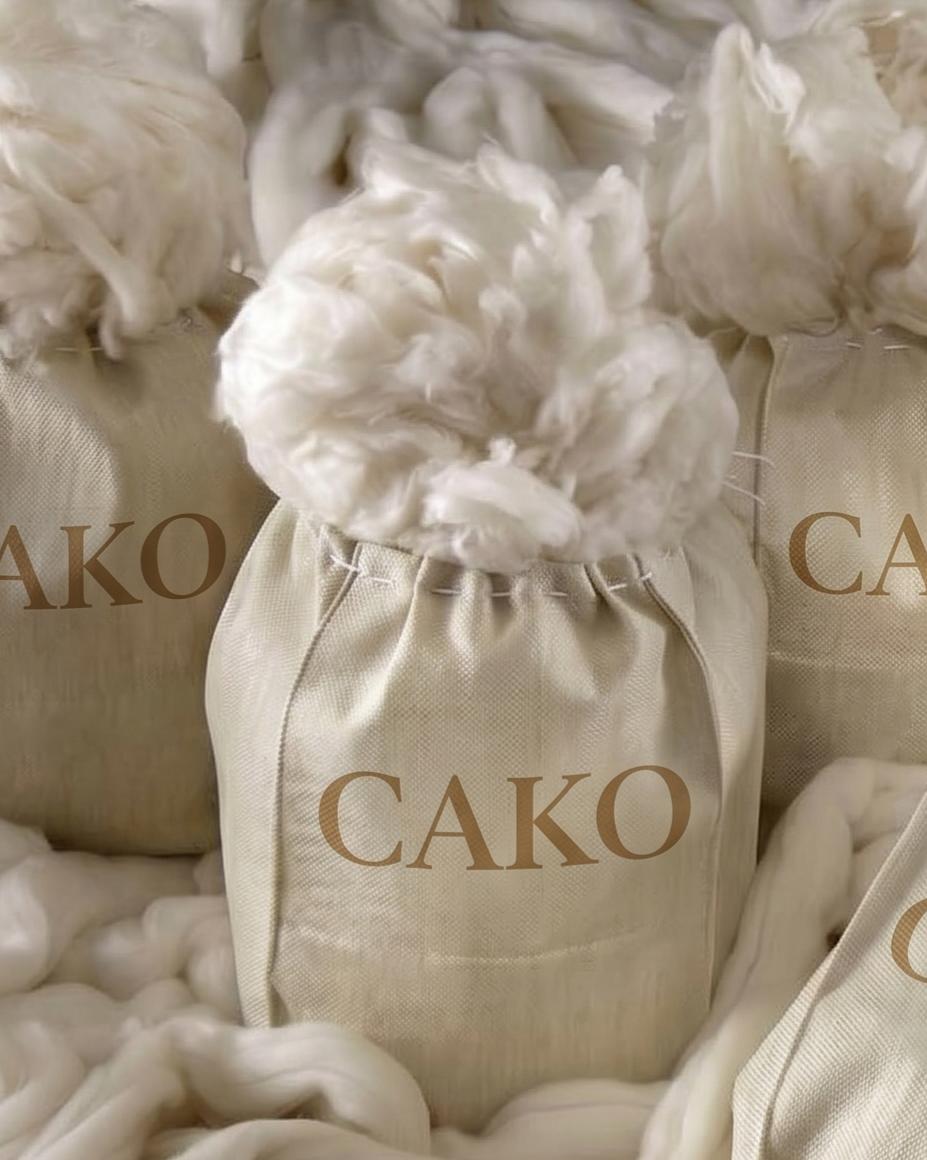
Many of the world’s leading luxury brands rely on premium cashmere sourced from Inner Mongolia and other parts of China.
Some of the most famous cashmere brands include:
Loro Piana is especially famous for sourcing ultra-fine cashmere from Inner Mongolia and refining it in Italy.
Brunello Cucinelli is known for combining premium Chinese-origin cashmere with Italian craftsmanship and timeless, understated design.
These brands prove that the finest raw material often comes from Asia, while Italy remains famous for spinning, dyeing, and finishing luxury cashmere garments.
Cashmere has long been loved by celebrities because it combines luxury, comfort, and timeless style.
Celebrities often associated with cashmere include:
Katie Holmes helped make cashmere trendy again with her famous cashmere cardigan look in 2019.
Gigi Hadid loves cashmere so much that she created her own cashmere brand, Guest in Residence.
Brad Pitt once said, “I need more softness in my life… and some cashmere,” which later inspired his own cashmere brand.
For many celebrities, cashmere represents quiet luxury — simple, elegant, and timeless.

Cashmere is lightweight, breathable, and naturally temperature regulating. Its fine fibers trap warmth while still allowing air to circulate, making it comfortable across seasons. Cashmere can be up to three times warmer than traditional sheep’s wool while remaining lighter and less bulky.
Cashmere is known for its exceptionally soft feel. Grade A cashmere fibers typically measure just 15–16 microns in diameter, making them much finer than most wool fibers. This gives cashmere its signature smooth, lightweight, and luxurious texture.
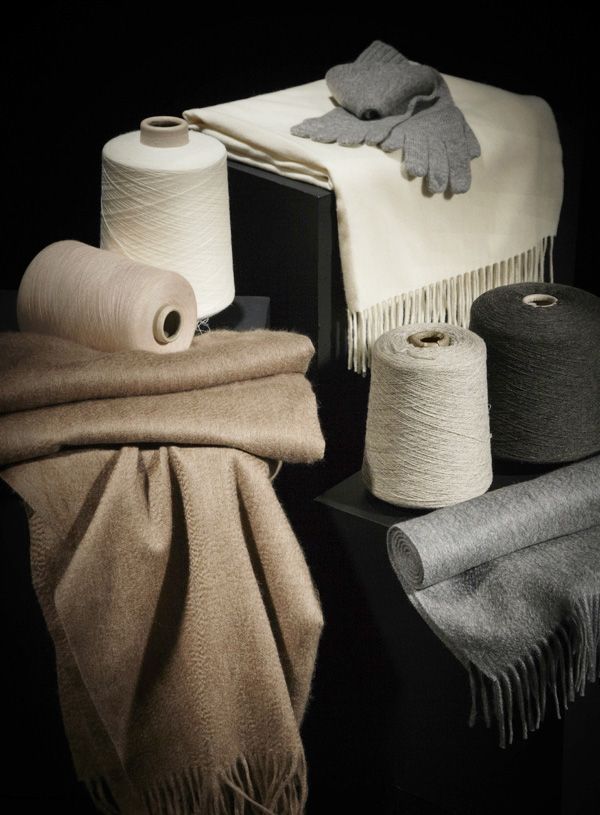
High-quality cashmere is durable, flexible, and designed to last. Longer, finer fibers create stronger yarns that are less likely to pill or lose shape over time. With proper care, a premium cashmere garment can maintain its softness and appearance for many years.
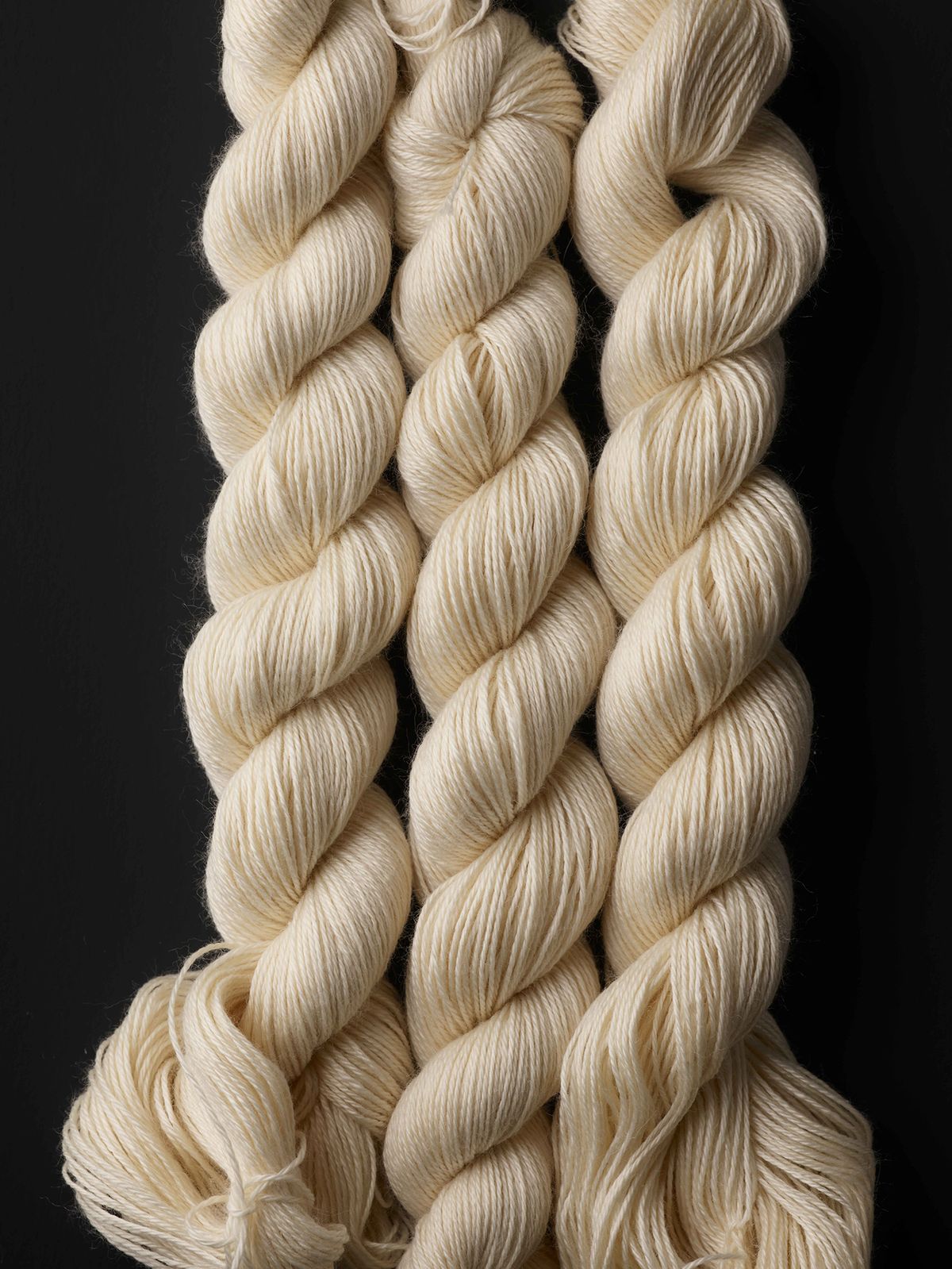
Cashmere requires a little extra care, but with the right routine, it can stay soft, beautiful, and wearable for years.
Lesson 1: Hand wash only
Cashmere should be washed gently by hand in cold water, as the fibers become more delicate when wet. Use a mild detergent designed for wool or delicate fabrics, avoid twisting or wringing, and lay the garment flat to air dry to help maintain its shape.
Lesson 2: Skip the fabric softener
Cashmere naturally becomes softer over time. Fabric softeners and harsh chemicals can coat the fibers, reducing softness and shortening the life of the garment. A simple, gentle wash is all it needs.
Lesson 3: Wash less, wear more
Cashmere does not need to be washed after every wear. Thanks to its breathable and odor-resistant properties, most pieces can be worn 5–6 times before washing. Simply air them out between wears to keep them feeling fresh.
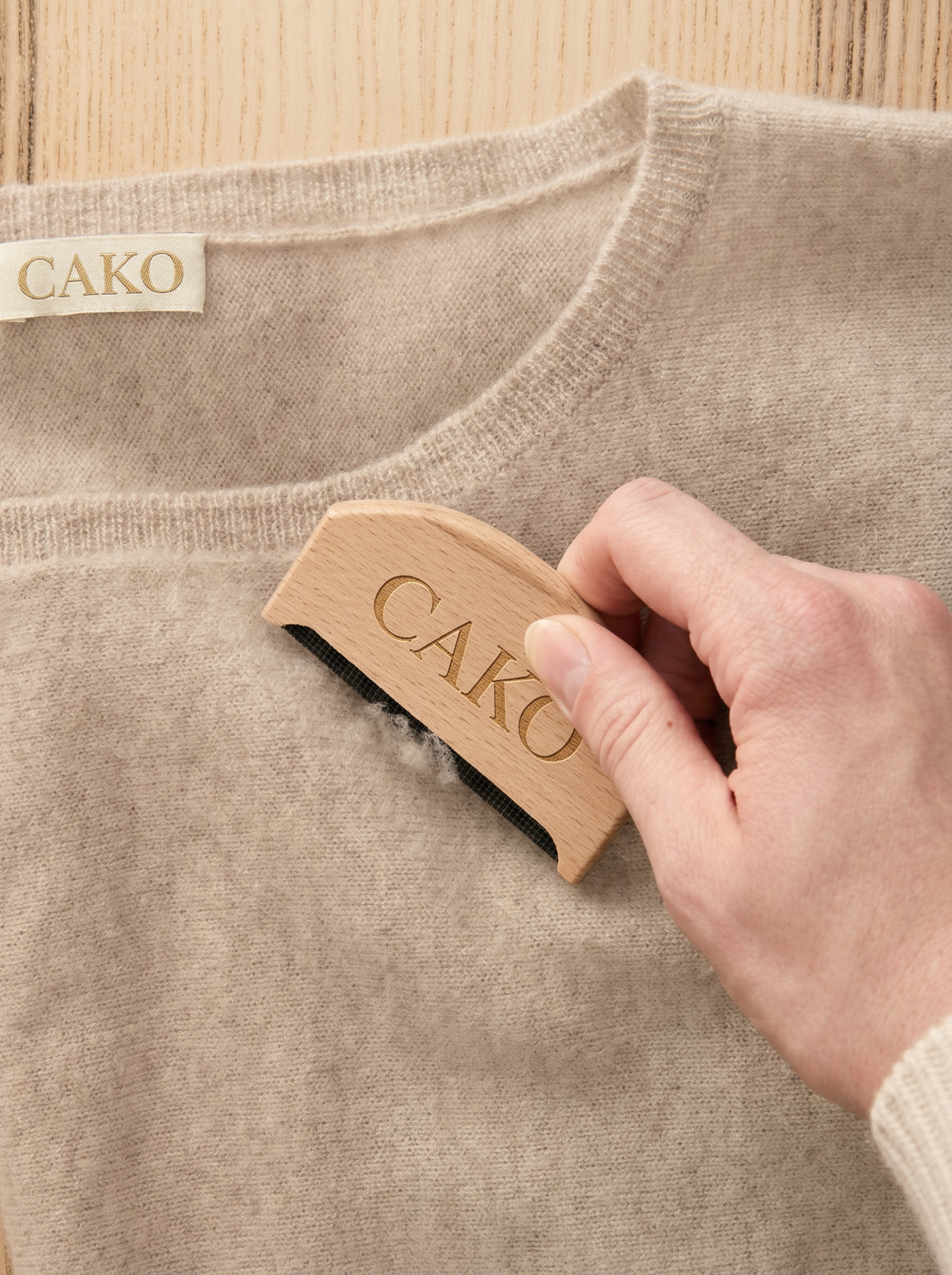
All wool and cashmere will pill to some degree, especially in areas with friction such as under the arms or along the sleeves. This is a natural part of the fabric.
To reduce pilling:
Wash less frequently
Let garments air out between wears
Fold instead of hanging to preserve shape
Use a cashmere comb or fabric shaver to gently remove pills
Refresh pieces with a sweater spray between washes instead of cleaning them too often
With proper care, cashmere only gets softer, more comfortable, and more beautiful over time.
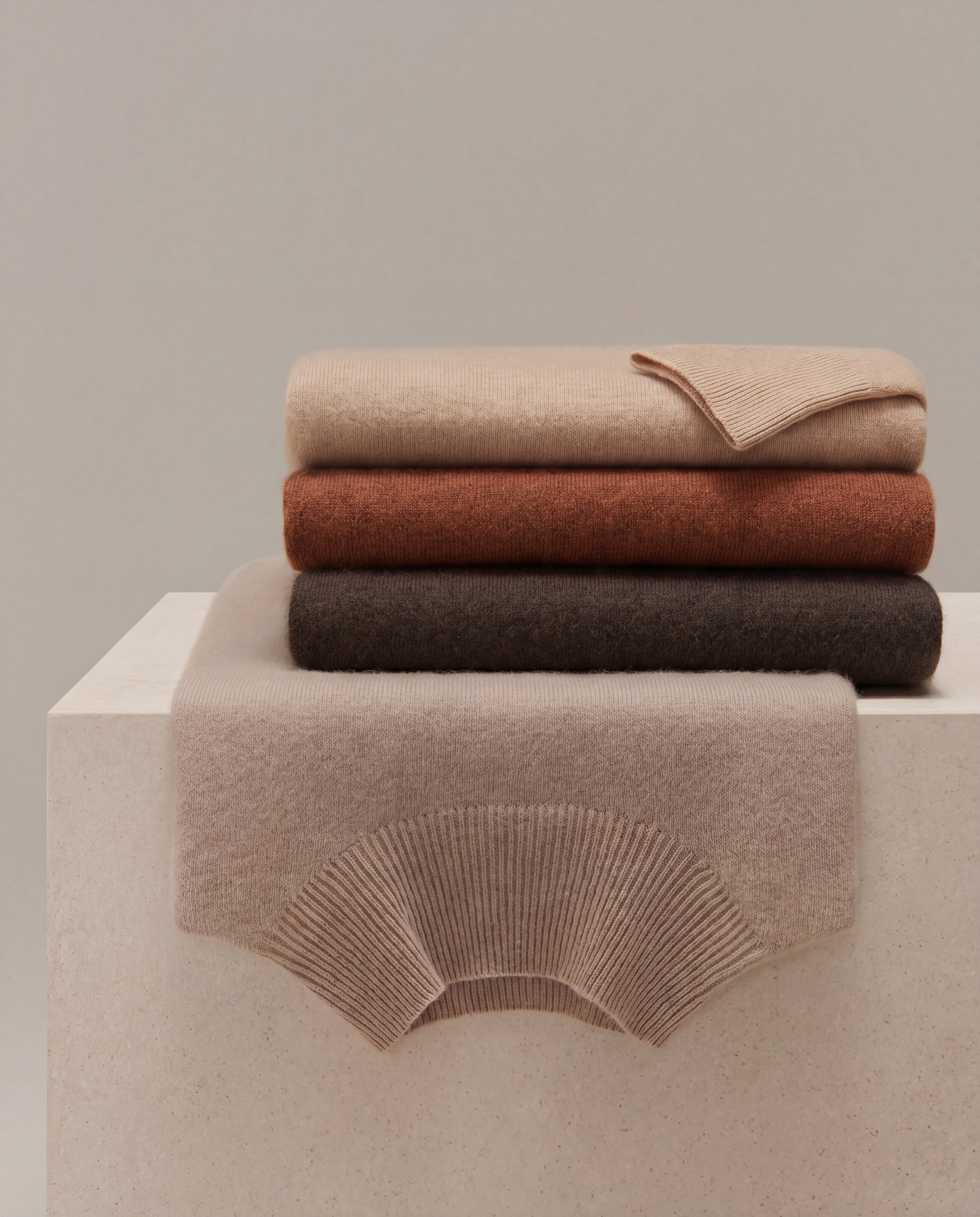
Cashmere and wool are both natural animal fibers, but cashmere is softer, lighter, and warmer.
Compared with regular wool, cashmere:
This is why cashmere is often seen as a more luxurious alternative to traditional wool.
-0.png?w=4096&h=4096)
Modern consumers care not only about softness and luxury, but also about sustainability and transparency.
More brands are now focusing on:
As consumers become more informed, they are increasingly looking for cashmere that combines premium quality with ethical sourcing and timeless design.



loading