All About Silk

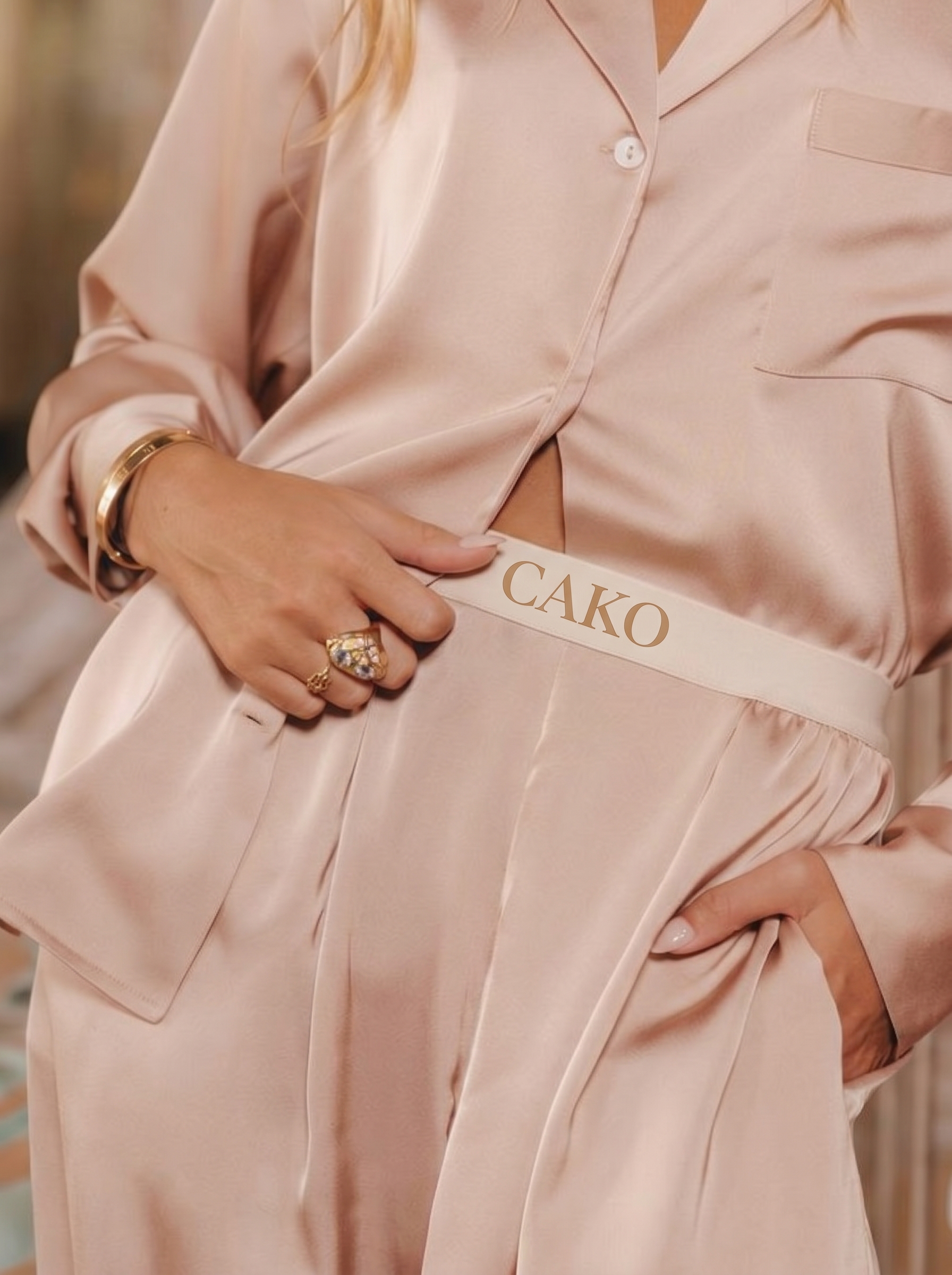
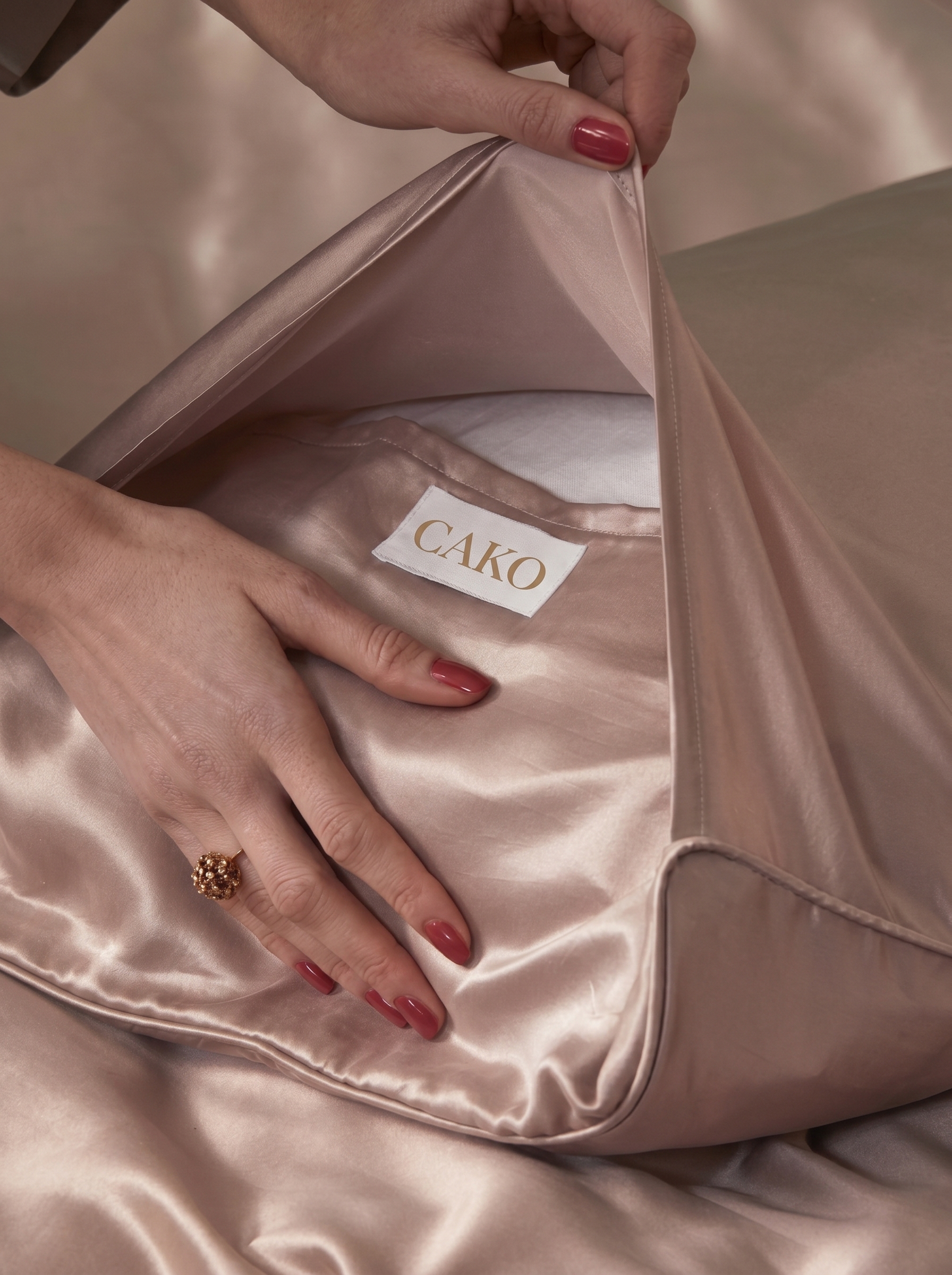
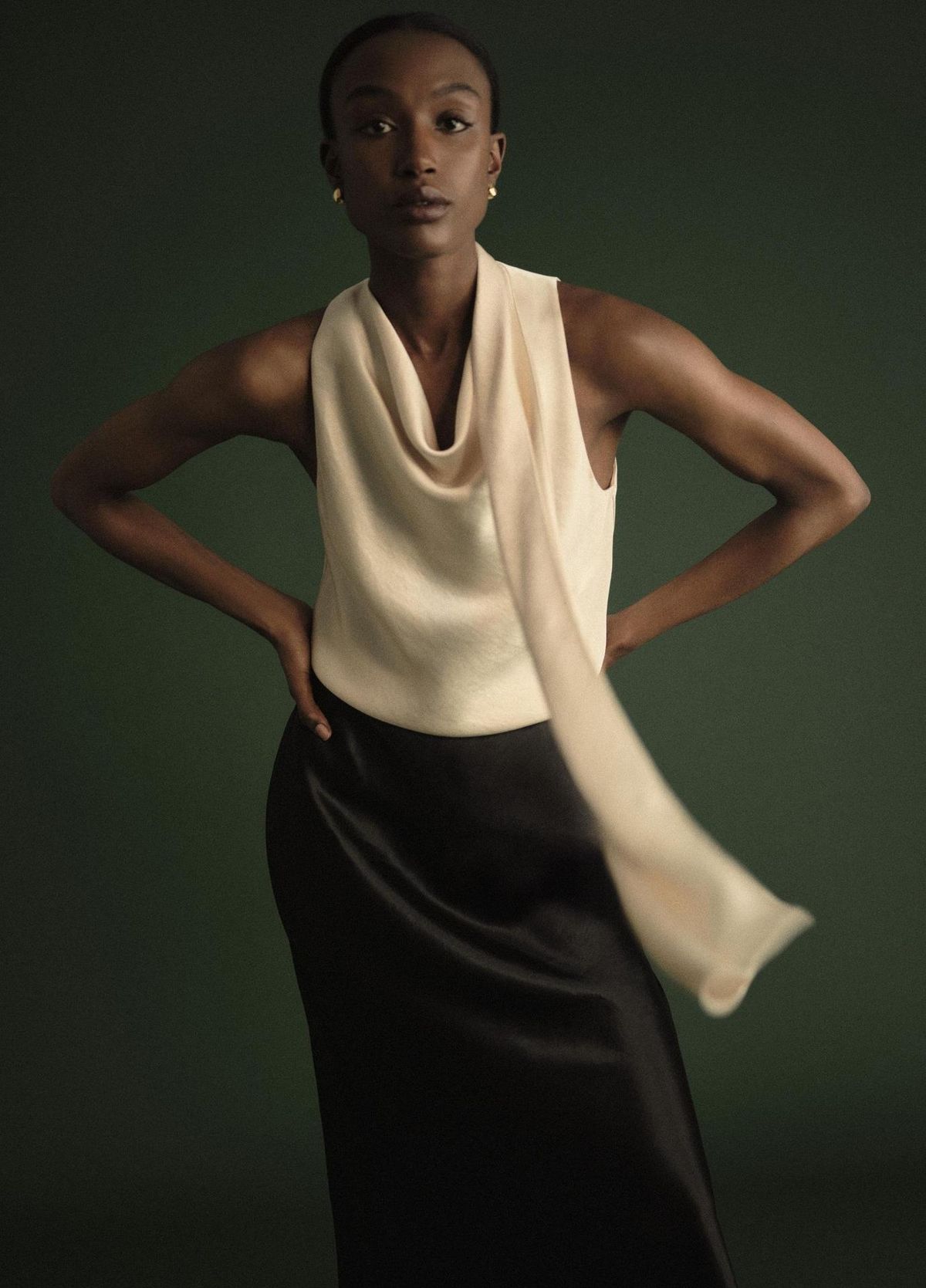
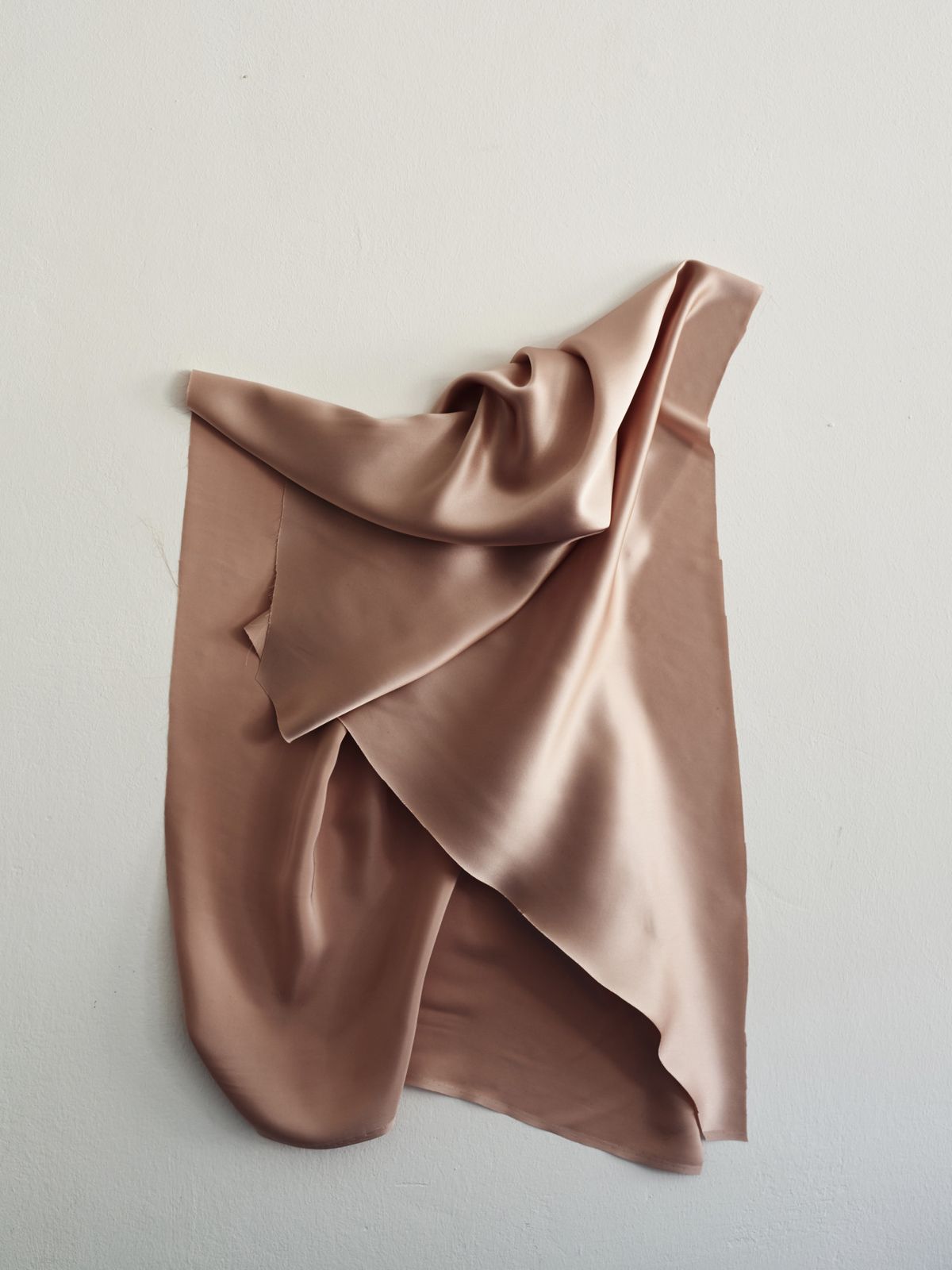
We selected premium silk fibers to create a fabric that feels smoother, lighter, and naturally luxurious, while offering lasting softness and comfort.

What Is Silk?

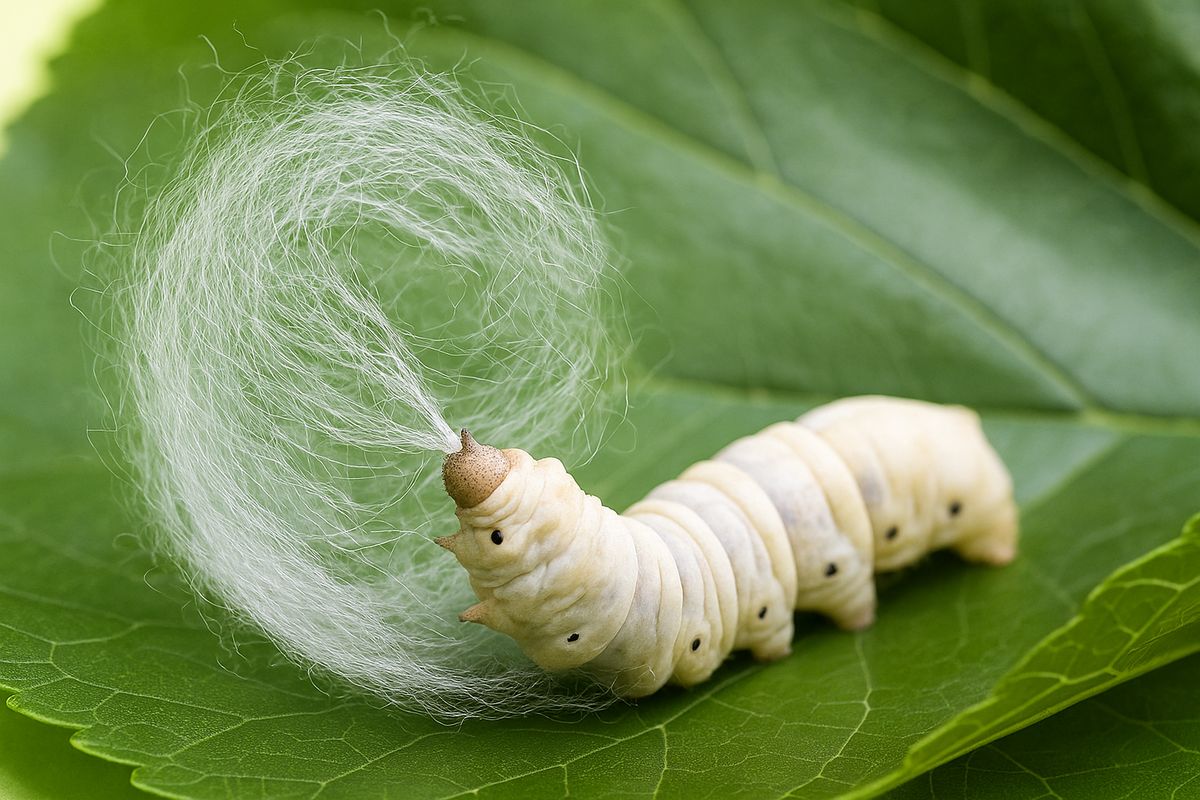
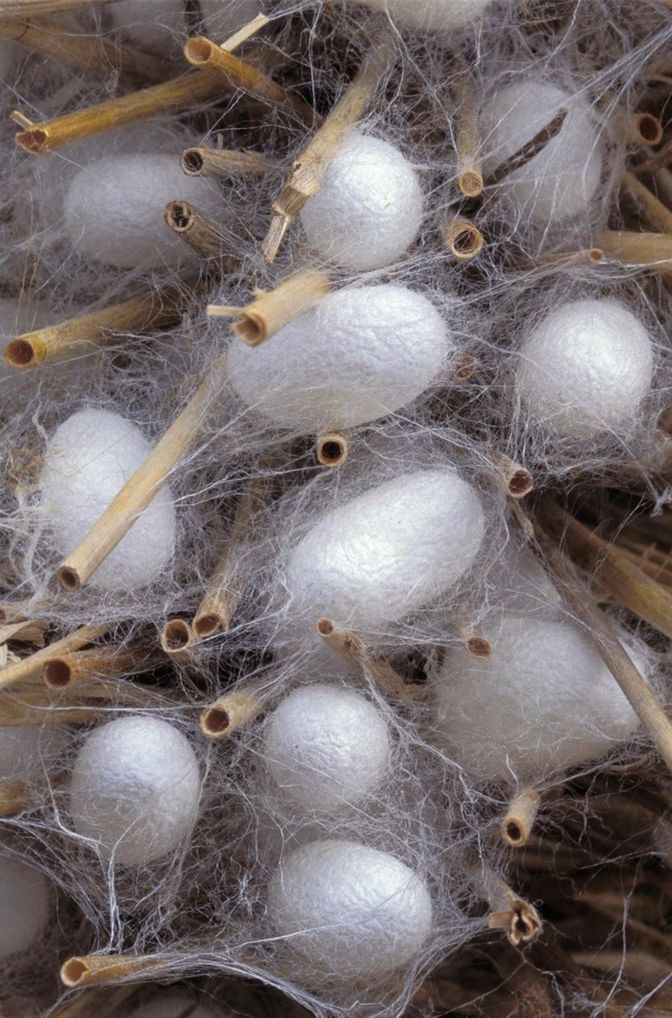
Silk is one of the world’s most luxurious and elegant natural fibers, known for its softness, smooth texture, natural sheen, and lightweight feel. Unlike most fabrics, silk is produced from natural protein fibers created by silkworms.

The most common and highest-quality silk comes from the cocoons of the Bombyx mori silkworm, which feeds primarily on mulberry leaves. This is known as mulberry silk and is considered the finest type of silk because of its softness, durability, and smooth appearance.

Silk is naturally breathable, temperature-regulating, and gentle on the skin. It can keep you cool in warm weather and warm in cooler temperatures, making it one of the most comfortable luxury fabrics to wear year-round.

The History of Silk

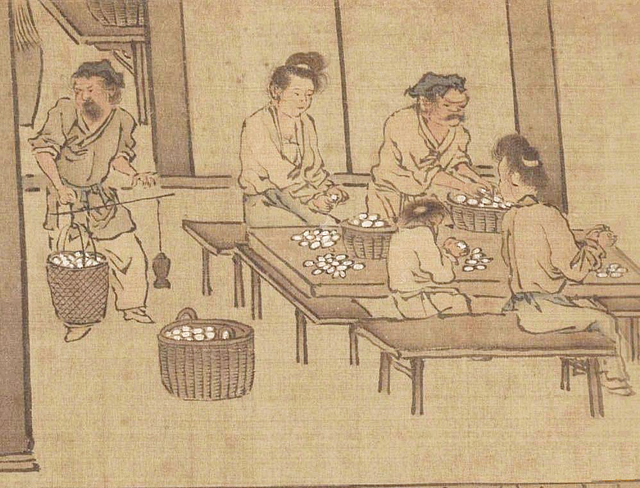
Silk has a history of more than 5,000 years and was first developed in ancient China.

According to legend, silk was discovered by Empress Leizu when a silkworm cocoon fell into her tea and began to unravel into fine threads. For centuries, China kept silk production a closely guarded secret.

Silk became one of the most valuable materials in the world and eventually gave rise to the famous Silk Road, the ancient trade route connecting China with Europe, the Middle East, and beyond.

Because of its rarity and beauty, silk was once reserved for emperors, royalty, and the upper class.

Where Does the Best Silk Come From?

China remains the world’s largest and most important producer of silk today.

Around 70% of the world’s silk is produced in China, especially in provinces such as Zhejiang, Jiangsu, Sichuan, and Guangxi.

Other important silk-producing countries include:

  • India
  • Italy
  • Japan
  • Thailand
  • Vietnam

Among all silk types, Chinese mulberry silk is generally considered the highest quality because of its long, fine fibers and smooth texture.

Italian silk is also highly respected, especially for weaving, dyeing, printing, and luxury finishing.

The finest silk is usually evaluated based on:
  • Fiber length
  • Smoothness
  • Shine
  • Strength
  • Purity
  • Momme weight

What Is Momme?

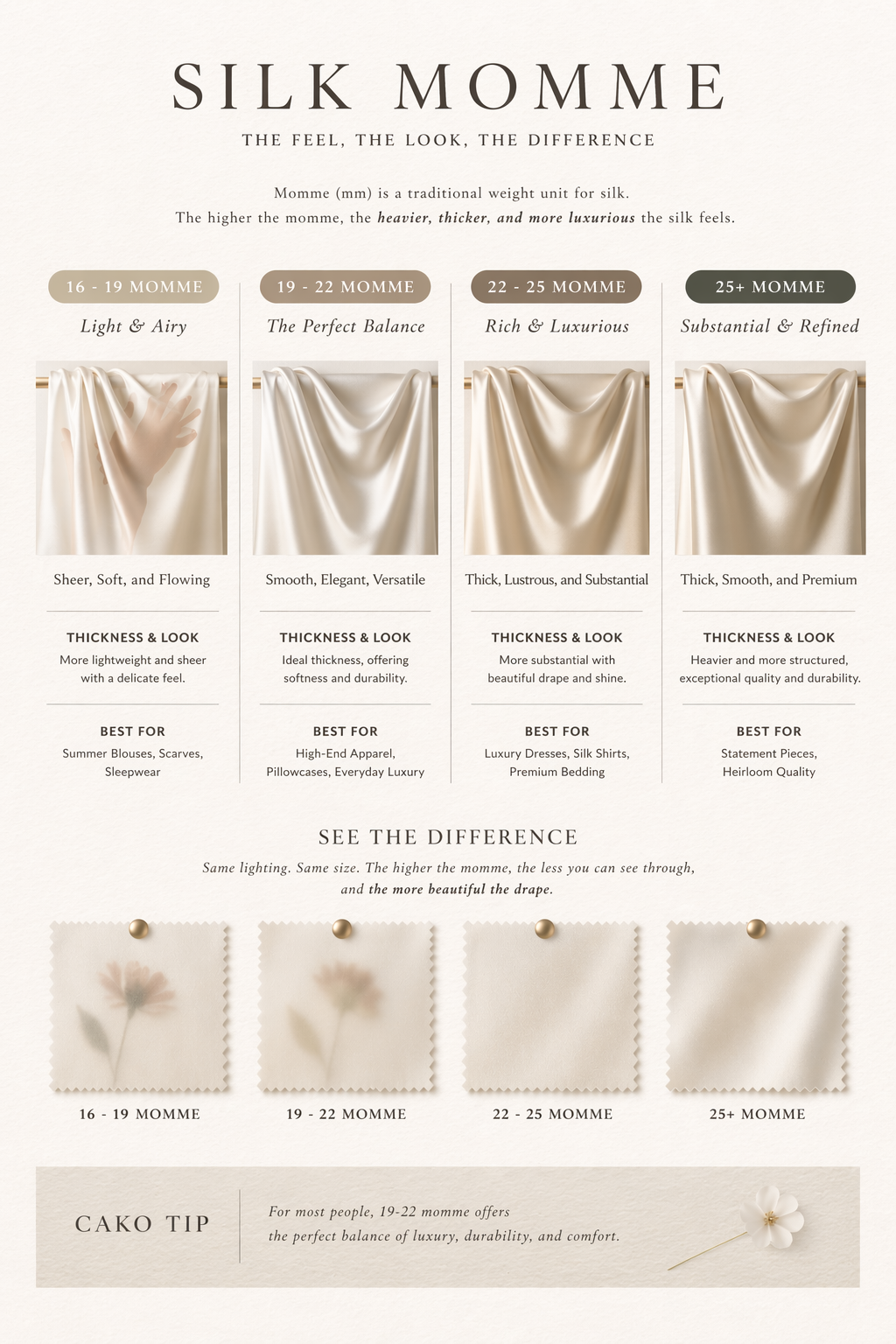
Momme, often written as “mm,” is the unit used to measure the weight and density of silk.

The higher the momme, the heavier, denser, and often more durable the silk will be.

  • 16–19 momme: Lightweight silk
  • 19–22 momme: Premium silk
  • 22–25 momme: Luxury silk
  • Above 25 momme: Heavier and more structured silk

For silk pillowcases and sleepwear, 19–22 momme is often considered ideal.

For dresses, blouses, and luxury garments, 22 momme silk is often preferred because it offers a rich drape while still feeling soft and lightweight.
Why is silk so expensive?

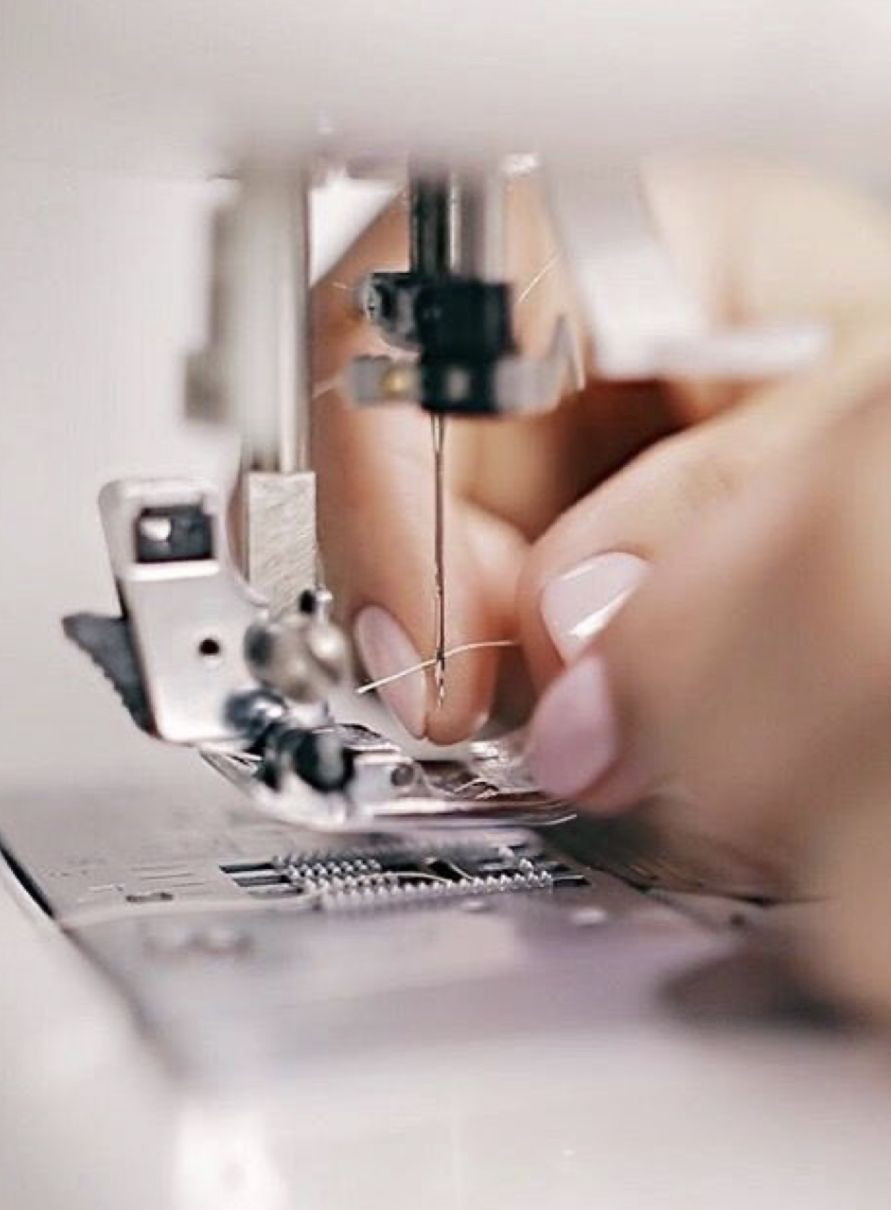
Silk is expensive because it is labor-intensive and time-consuming to produce.

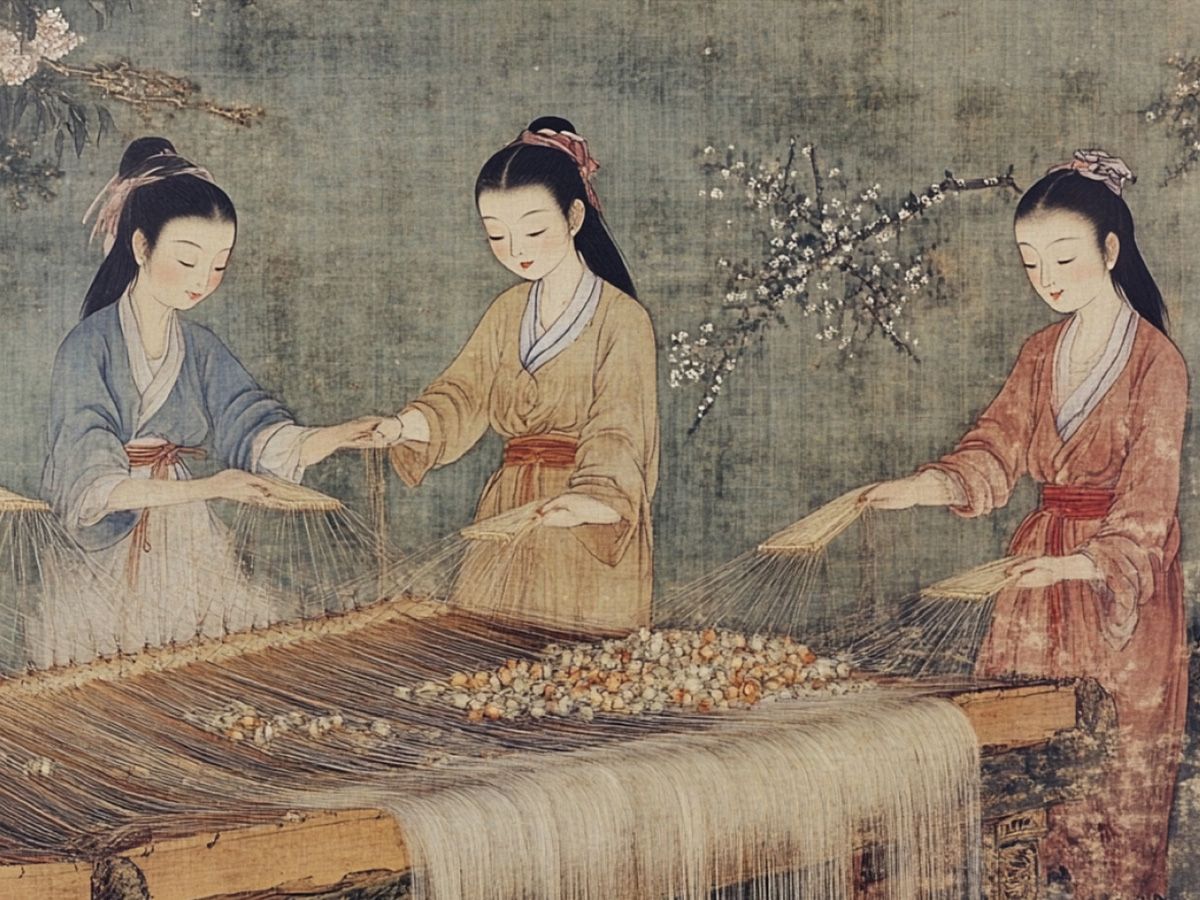
Thousands of silkworm cocoons are needed to make a single silk garment. Each cocoon must be carefully harvested, softened, and unwound into fine threads.

The silk is then spun, woven, dyed, and finished through a delicate process that requires both craftsmanship and precision.

High-quality silk also has natural benefits that many synthetic fabrics cannot match, including breathability, moisture control, softness, and a luxurious appearance.

How to Judge Silk Quality?

Not all silk is created equal.

When choosing silk, the most important factors are:

1. Silk Type

Mulberry silk is considered the finest and most luxurious type of silk.

Other types include:

  • Charmeuse silk
  • Crepe de Chine
  • Satin silk
  • Habotai silk
  • Organza silk
  • Dupioni silk

2. Momme Weight

Higher momme silk is usually stronger, less transparent, and more durable.

3. Smoothness and Shine

Good silk should feel smooth, soft, and cool to the touch. It should have a natural glow rather than an overly shiny synthetic appearance.

4. Breathability

High-quality silk should feel breathable and lightweight rather than sticky or heavy.

5. Strength

Although silk feels delicate, it is actually one of the strongest natural fibers in the world when properly cared for.
Silk Care

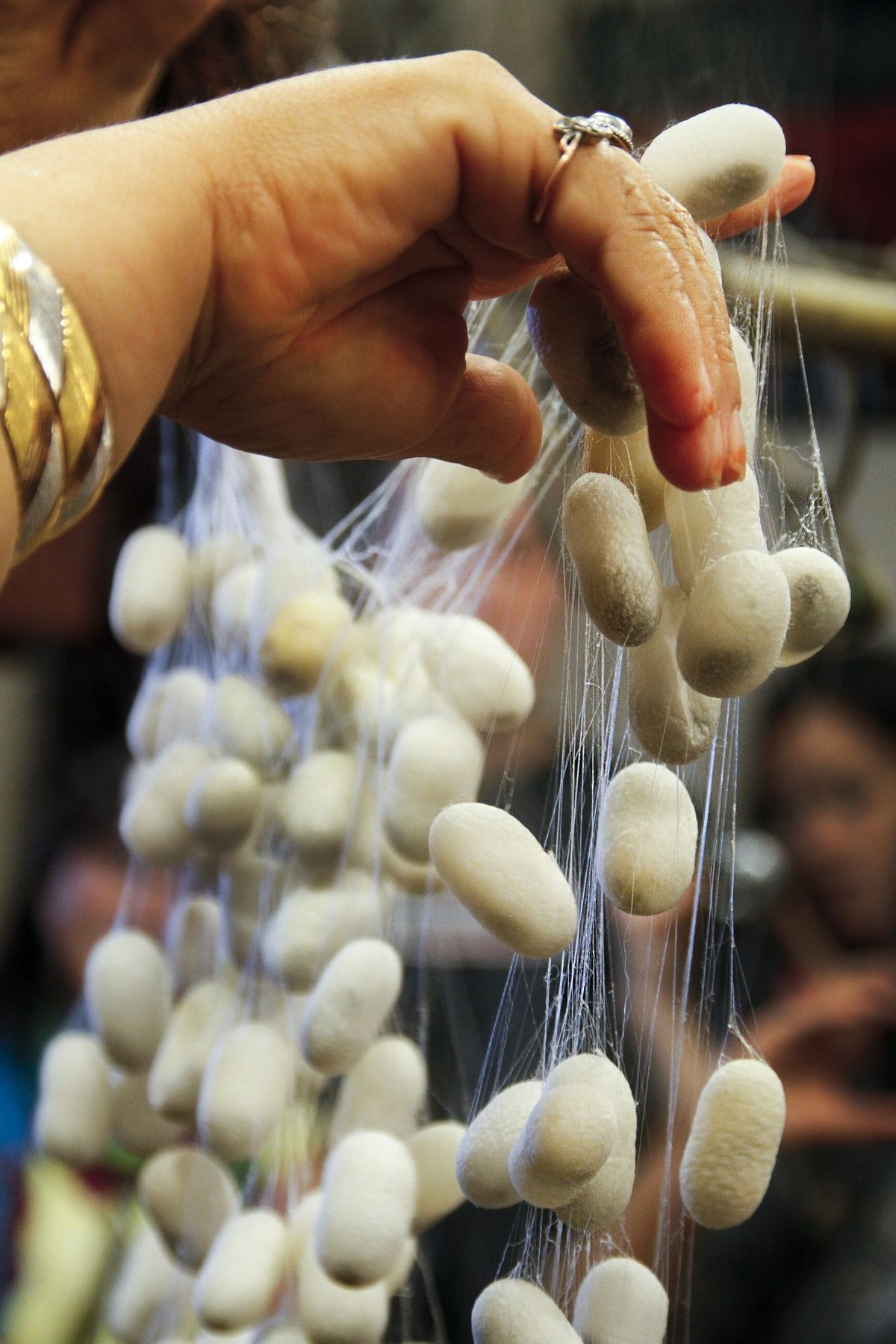
Steamed

Silk responds well to steaming, which is the safest way to remove wrinkles without damaging the delicate fibers. If needed, use an iron only on a low-heat setting with a cloth barrier between the fabric and the iron.
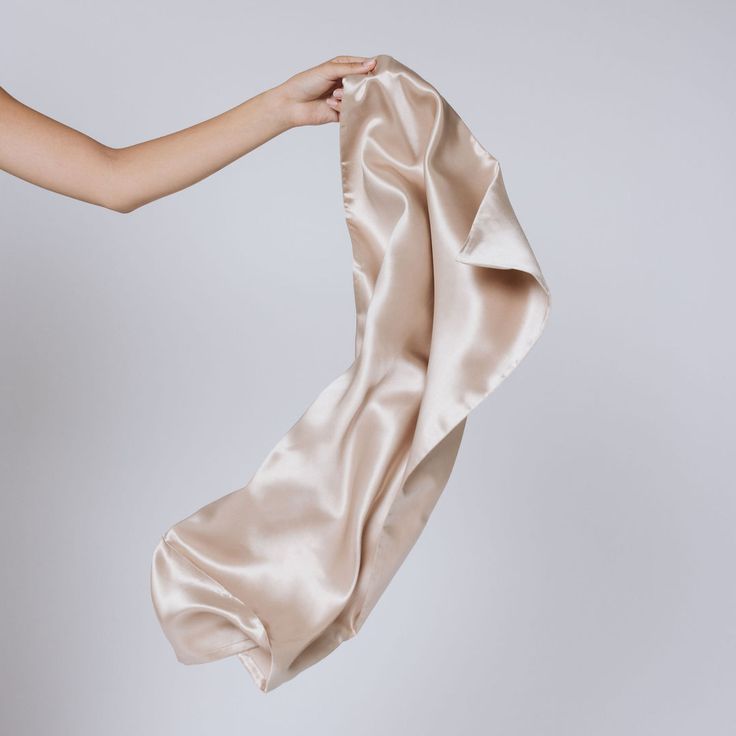
Washed

Most silk garments can be hand washed or machine washed on a delicate cycle using cold water and a gentle detergent. Avoid hot water, bleach, and harsh chemicals, as they can weaken the fibers and damage the fabric’s natural sheen.
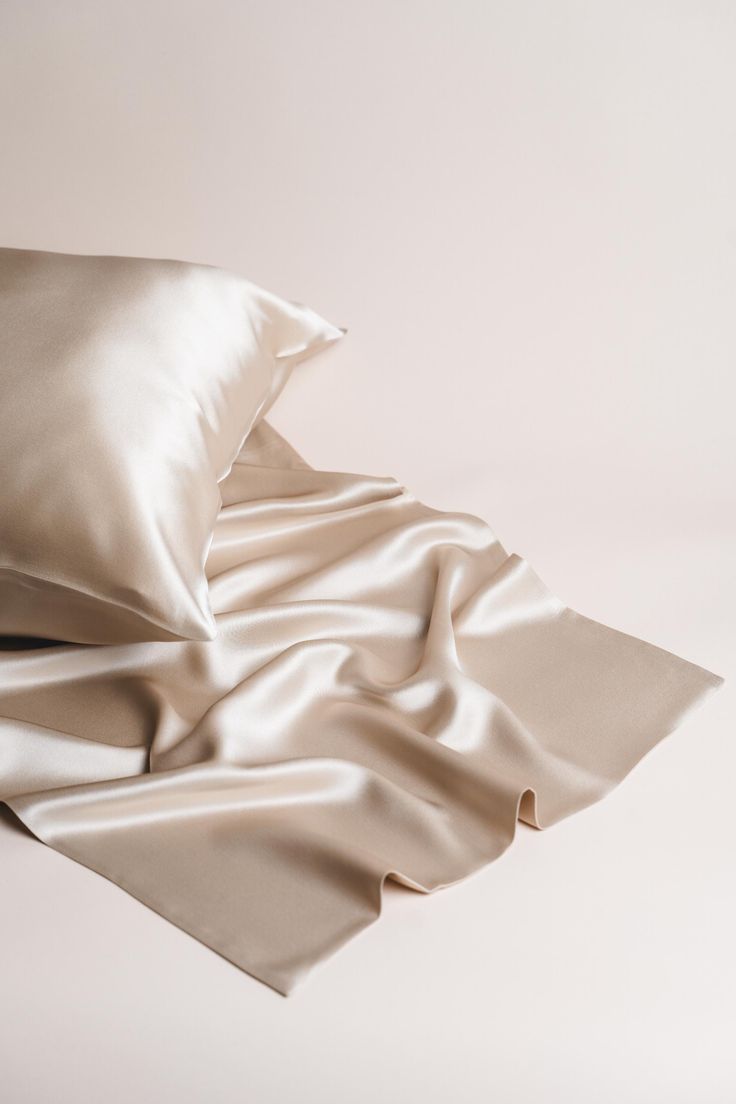
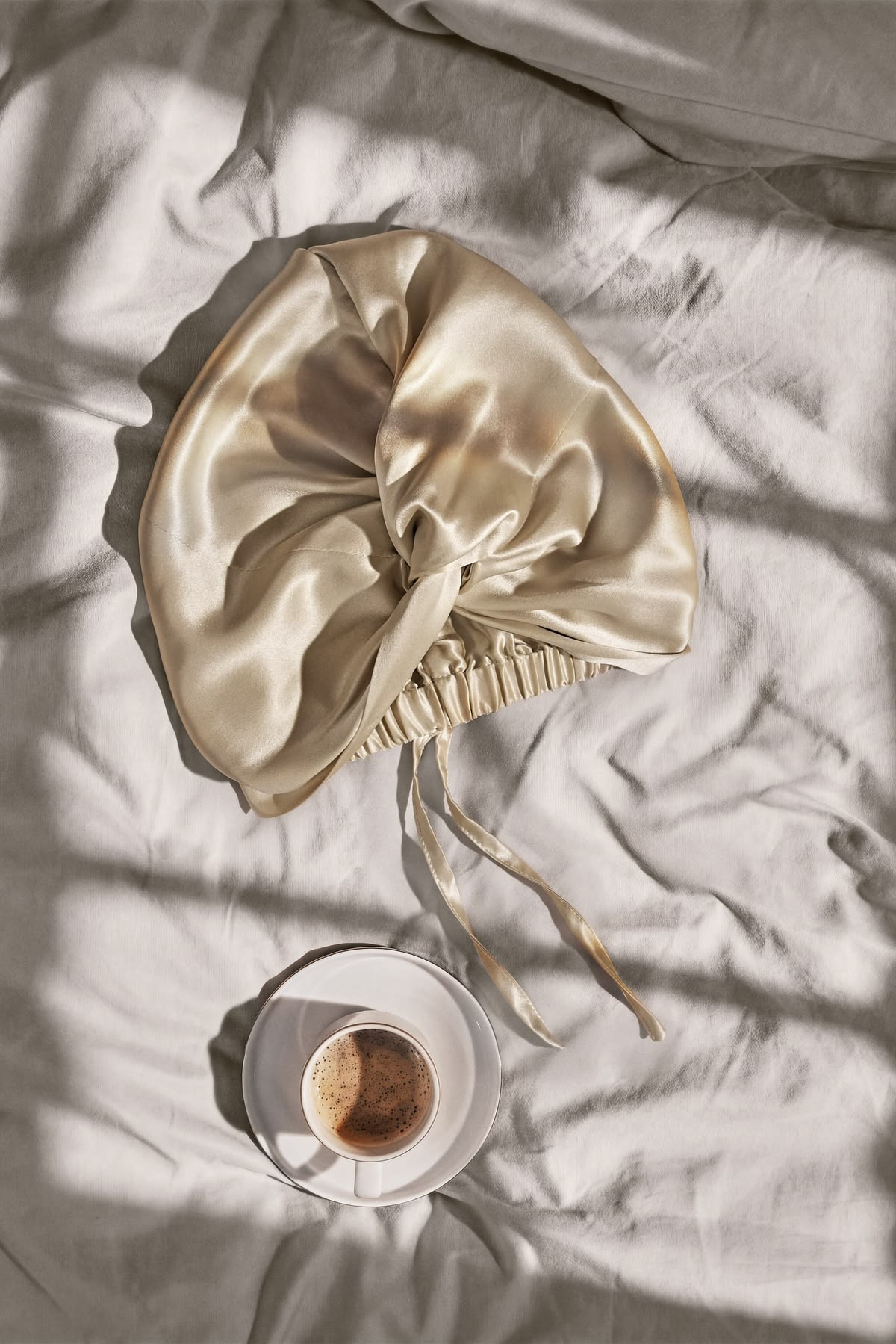
Dryer

Silk should never be tumble dried. High heat can cause shrinking, weaken the fibers, and dull the fabric’s finish. Instead, gently press out excess water with a towel and lay flat or hang to air dry away from direct sunlight.

Health benefits

Your skin isn’t the only aspect of your health that silk ownership can improve: silk sheets and pajamas have also been shown to have a strong impact on sleep quality. Typical cotton sheets can easily become wrinkled or bunched, creating formations that inhibit peaceful rest. Silk stays smooth no matter how much you thrash about, ensuring that your sheets or silk pajamas never get in the way of a good night’s sleep. Silk is also highly breathable and great for regulating body temperature, making it a great nighttime option for those who experience hot flashes while in bed. 

Moreover, silk is strongly antifungal in nature. For women worried about yeast or other vaginal infections, silk underwear can help decrease the likelihood of developing one. 

Hair benefits

Most of the benefits silk offers the skin, it offers to the hair as well. Silk doesn’t remove the hair’s moisture, meaning that your hair can stay on a silk pillowcase all night without drying out like it would on a cotton pillowcase. Because silk doesn’t bunch up or wrinkle like other materials do, silk pillowcases also discourage your hair from becoming tangled, knotted, or matted as you sleep. 

This is especially true for people with naturally curly or frizzy hair. Cotton pillowcases create a lot of friction between the head and the pillow, breaking curls and causing unwanted flyaways. Silk’s incomparably smooth surface allows your hair to flow across it with ease. This prevents agitation and ensures that your hair when you wake up is as similar to the way it was when you went to sleep as possible.

Silk vs Satin

Many people confuse silk and satin, but they are not the same thing.

Silk is a natural fiber, while satin is a weaving technique.

Satin can be made from silk, polyester, nylon, or other synthetic materials.

Compared with polyester satin, real silk:

  • Feels softer and cooler
  • Is more breathable
  • Absorbs moisture better
  • Is gentler on skin and hair
  • Has a more natural and elegant sheen

This is why real silk is considered much more luxurious than synthetic satin.
The Future of Silk

Today’s consumers care not only about beauty and luxury, but also about sustainability and transparency.

More silk brands are now focusing on:

  • Responsible silk farming
  • Eco-friendly dyeing methods
  • Traceable supply chains
  • Low-impact packaging
  • Long-lasting quality

As consumers become more informed, they increasingly look for silk products that combine luxury, performance, and ethical production.
The Cako Philosophy

At Cako, we believe that exceptional silk starts with exceptional raw materials.

That is why we focus on high-quality mulberry silk with premium momme weights, smooth texture, and long-lasting durability.

Our goal is to make premium silk feel timeless, wearable, and accessible — without compromising on quality or beauty.

SUPER SOFT SILK

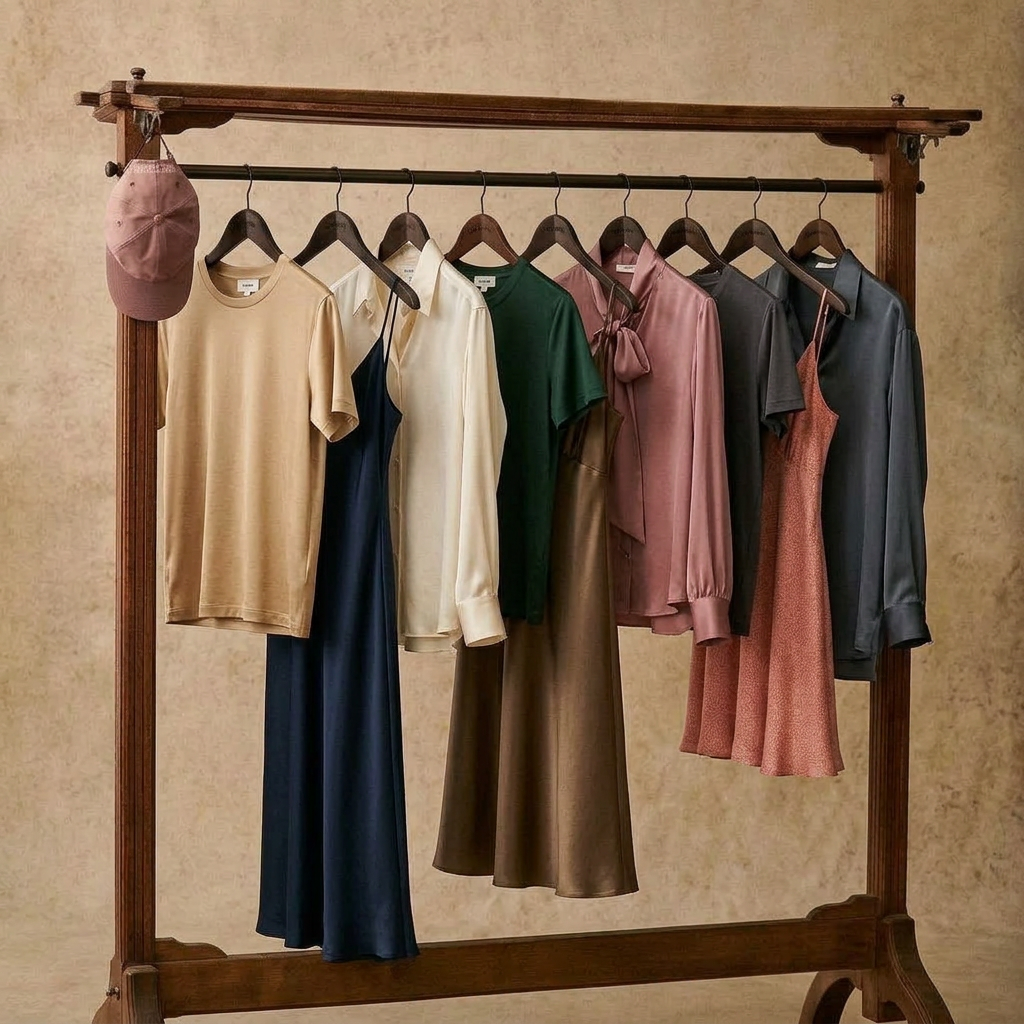
We love silk for its softness and easy attitude. Our Mulberry silk will be your wardrobe go-to, and the best part is it’s washable.
SHOP ALL Silk

Cart

loading